India Gate’s Basamati rice success story
September 27, 2026
September 28, 2026,3:27:08 AM


India Gate’s Basmati rice success story
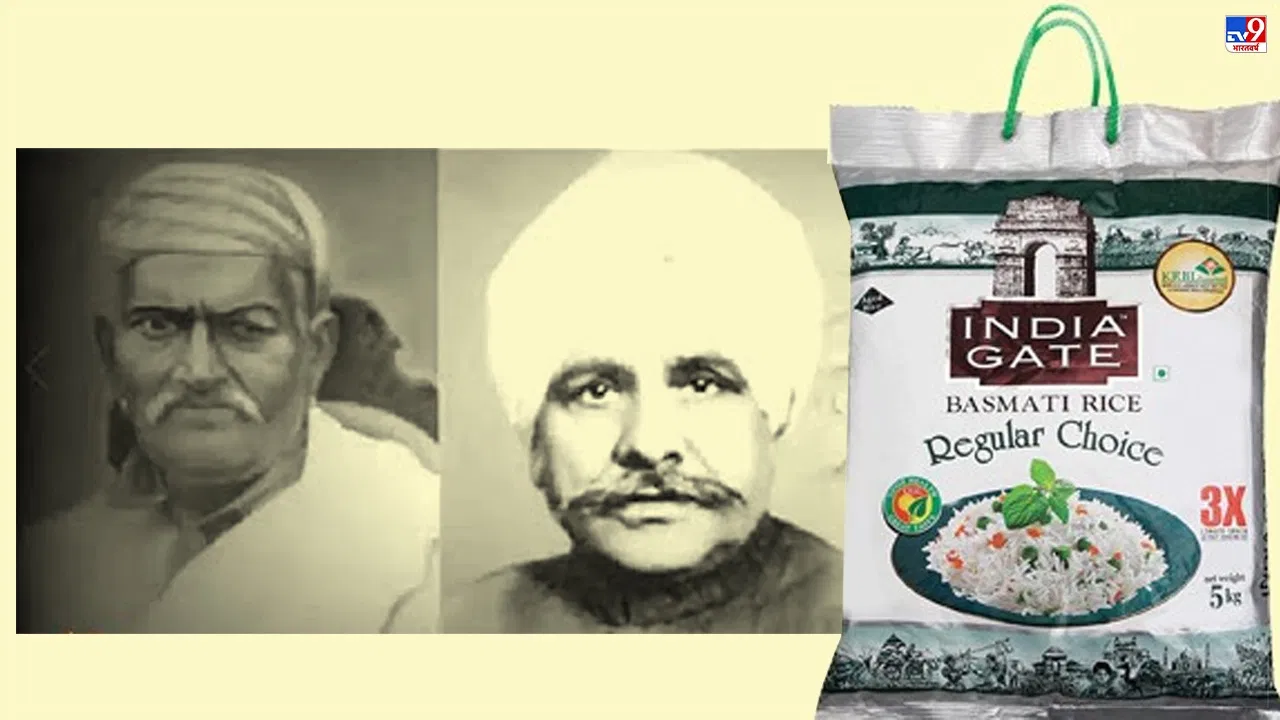
India Gate is the flagship basmati rice brand of KRBL Limited, one of India’s largest integrated rice companies. Its success came from converting rice—a largely loose and commodity product—into a trusted, premium, packaged FMCG brand. 1. Strong family-business foundation: KRBL’s origins go back to 1889, when brothers Khushi Ram and Behari Lal began a trading business in Lyallpur, now Faisalabad in Pakistan.
After Partition, the family shifted to Delhi and gradually expanded into rice processing and exports. KRBL identified the growing international demand for Indian basmati in the 1980s. It exported rice to markets such as Russia and established a modern rice-processing facility at Ghaziabad in 1992.
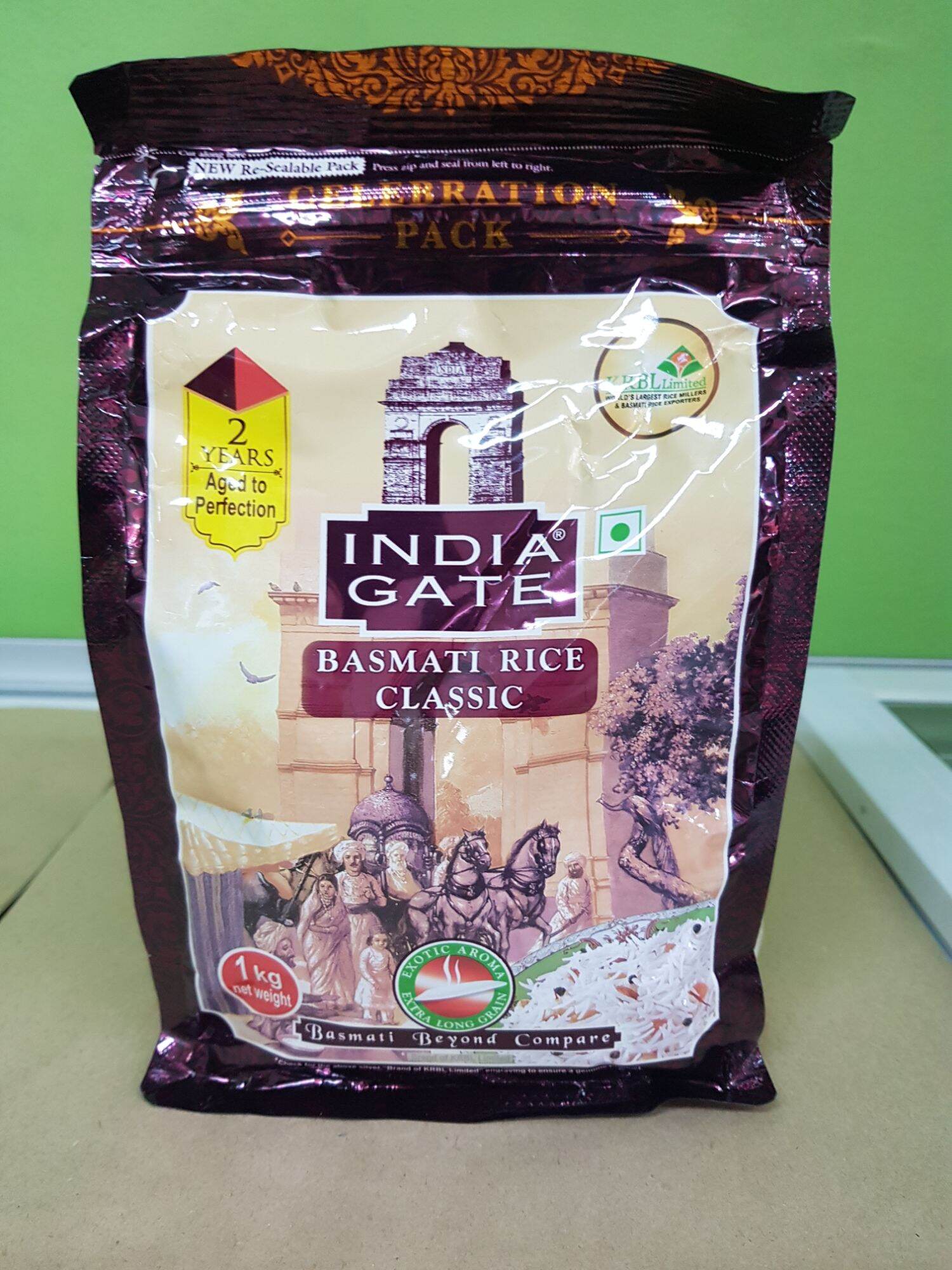
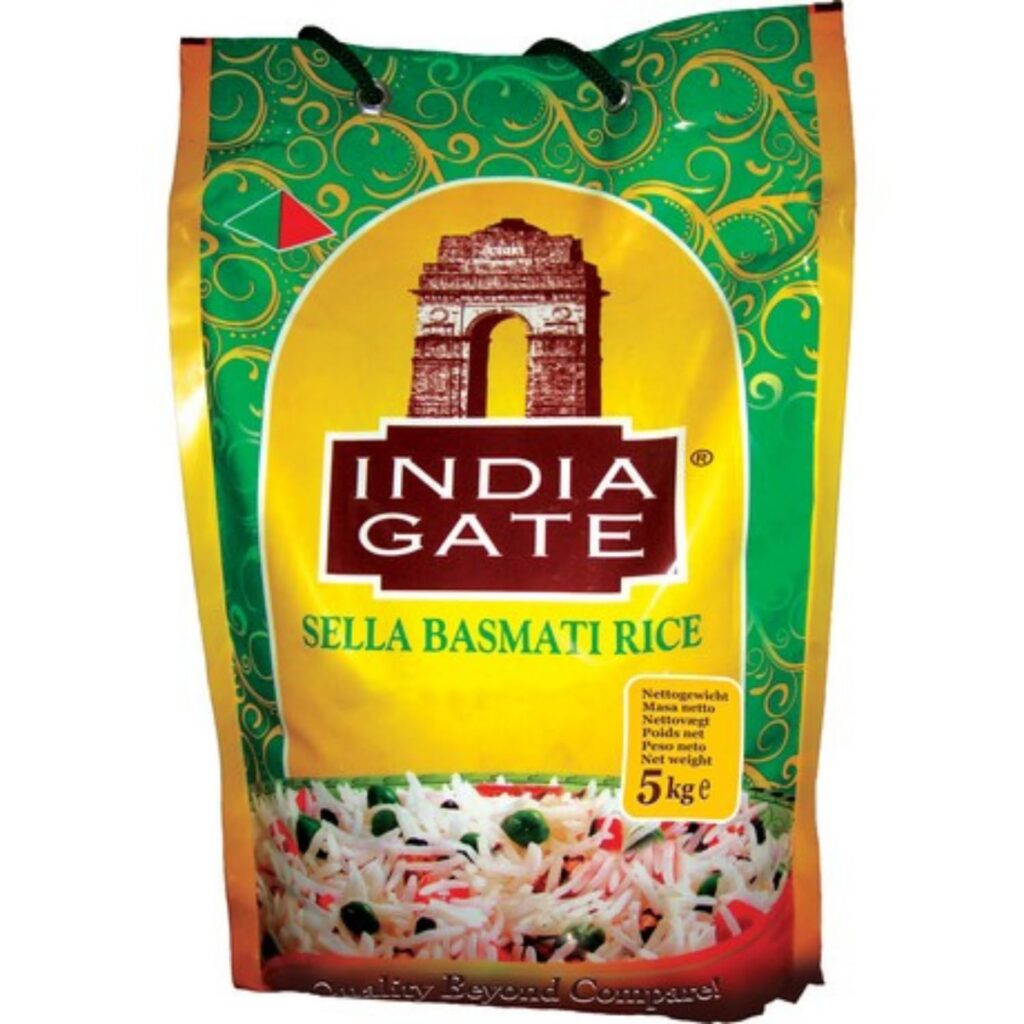
The company later launched India Gate as a packaged brand in the early 1990s; some sources cite 1993, while company histories also refer to the wider brand development during that period. The key insight: sell consistency, not just rice. Before branded rice became common, many consumers bought loose rice. Quality, grain length, aroma and cooking performance could vary from one purchase to another.
India Gate created differentiation through:
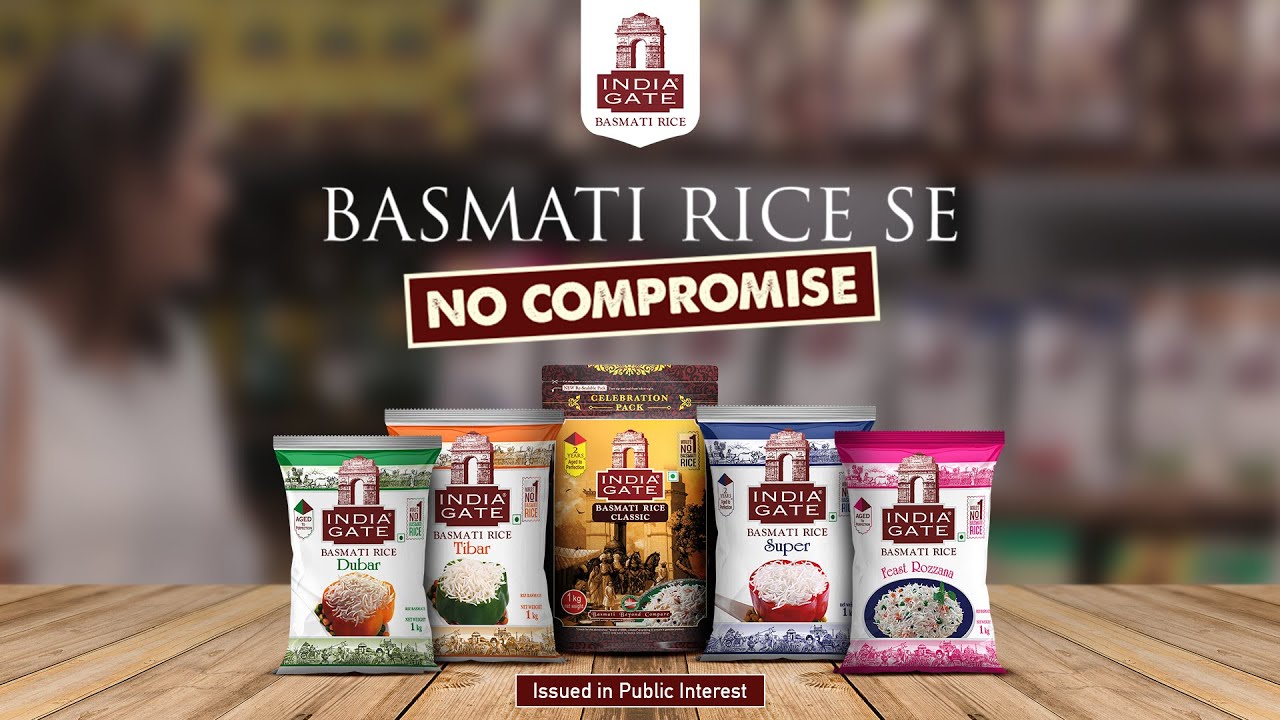
Standardised grain quality. Attractive and recognisable packaging. Scientific processing and grading. Traceability from seed and farmer to finished pack. Consistent aroma, length and cooking results. Premium positioning rather than competing only on price. Its “aged rice” proposition became especially important. KRBL says some India Gate rice is aged for up to two years, which helps develop aroma, grain length and texture.
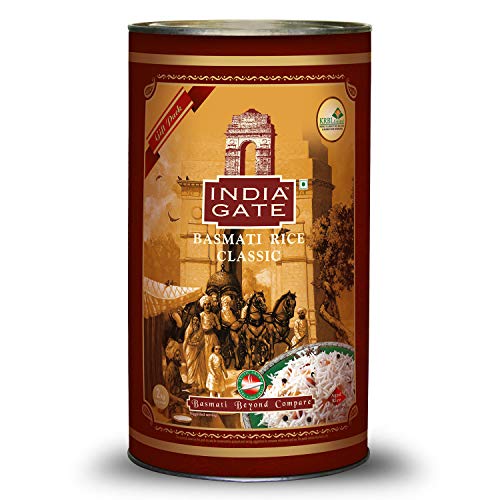
Building a premium category, India Gate did not position itself as the cheapest rice. It presented basmati as a superior food product suitable for biryani, pulao, festivals, weddings and special family occasions. The company used claims such as: Longer grains. Better aroma. Fluffier cooked rice. Traditional basmati authenticity. Ageing and craftsmanship. This helped create a super-premium segment within basmati rice. Consumers were encouraged to pay more for predictable quality and a better eating experience.
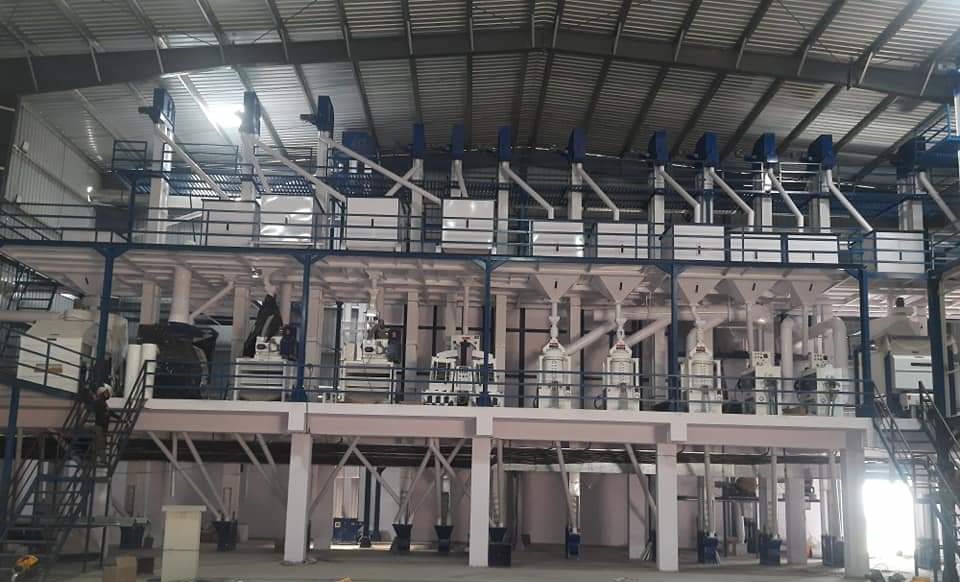
4. Export-first thinking: KRBL entered exports before the Indian packaged-rice market had fully developed. This gave India Gate experience in: International quality standards. Food-safety and labelling requirements. Large-scale processing. Overseas distribution. Consumer preferences across different countries. Today, KRBL’s products are sold in around 90 countries, with the Middle East being one of its most important regions. India Gate also adapts products to local preferences. For example, the company has offered white basmati, parboiled rice and regional varieties for different Gulf markets.
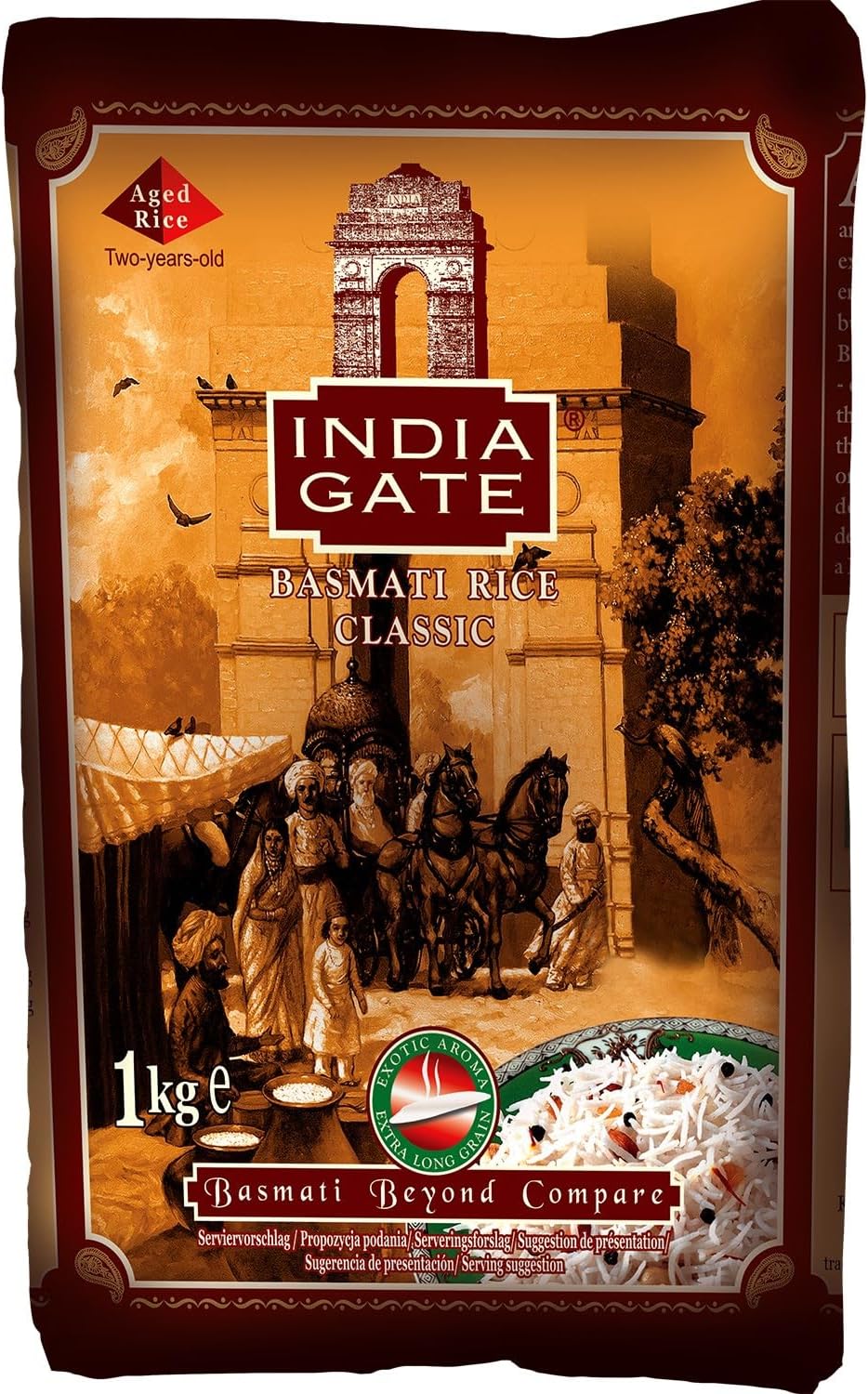
5. Localisation of the product: A major reason for its export success was that KRBL did not sell exactly the same product everywhere. It modified its portfolio according to local cooking habits: White basmati for markets such as the UAE. Parboiled rice for consumers in Saudi Arabia. Regional Indian varieties such as Sona Masuri and Ponni for Indian communities abroad. Products such as Nur Jahan and Bab Al Hind for specific markets.
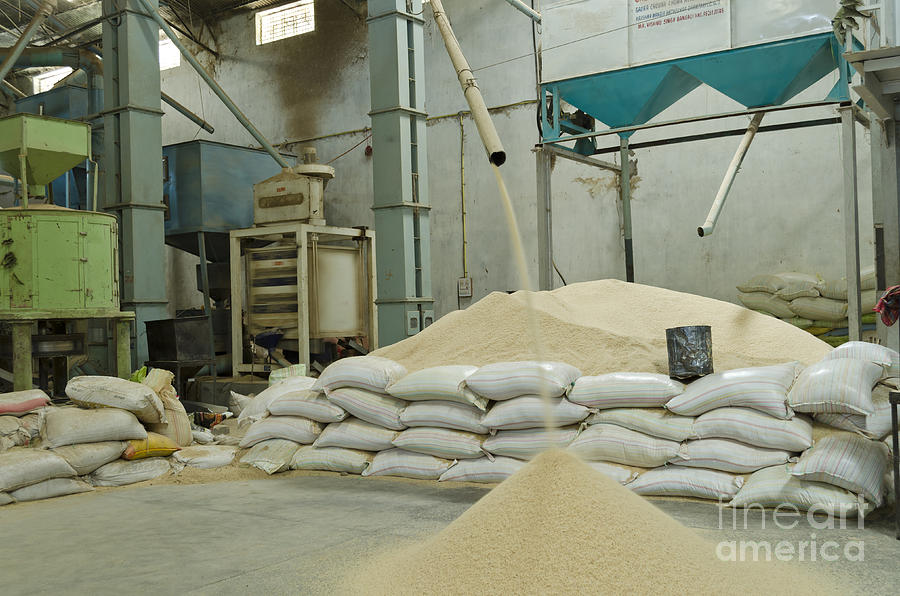
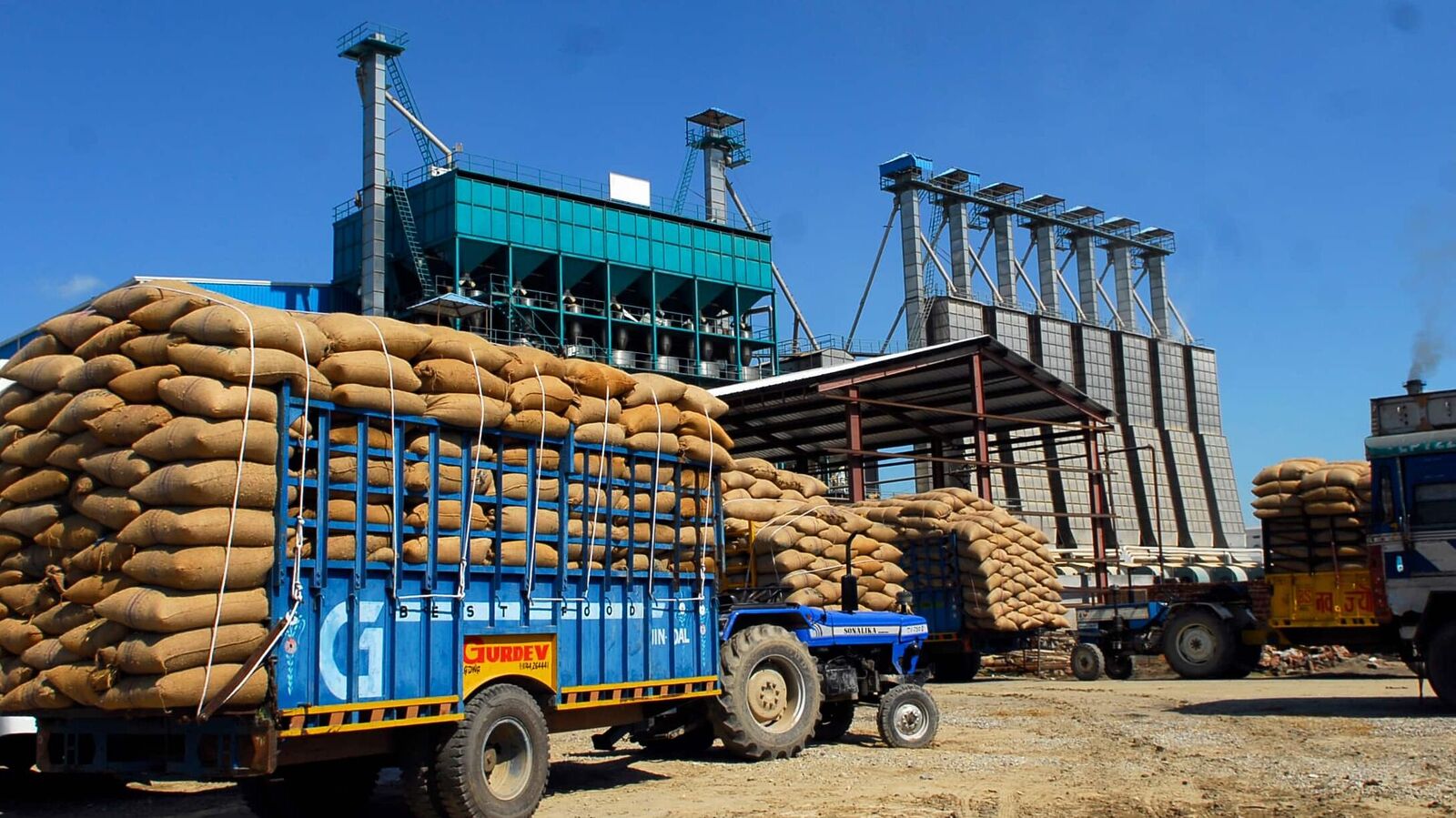
This combination of a common global brand and local product adaptation helped India Gate compete with both Indian exporters and local rice brands. cite� 6. Control over the entire value chain: India Gate’s competitive advantage is not limited to advertising. KRBL operates across much of the rice value chain: Seed development. Farmer engagement and contract farming. Paddy procurement. Milling and grading. Ageing and storage.
Packaging. Domestic and international distribution. By-product utilisation and renewable energy. CARE Ratings reported that KRBL worked with approximately 95,000 farmers, had manufacturing capacity of about 207 tonnes per hour, and distributed its products through more than 3.75 lakh retail outlets across 750 Indian cities.
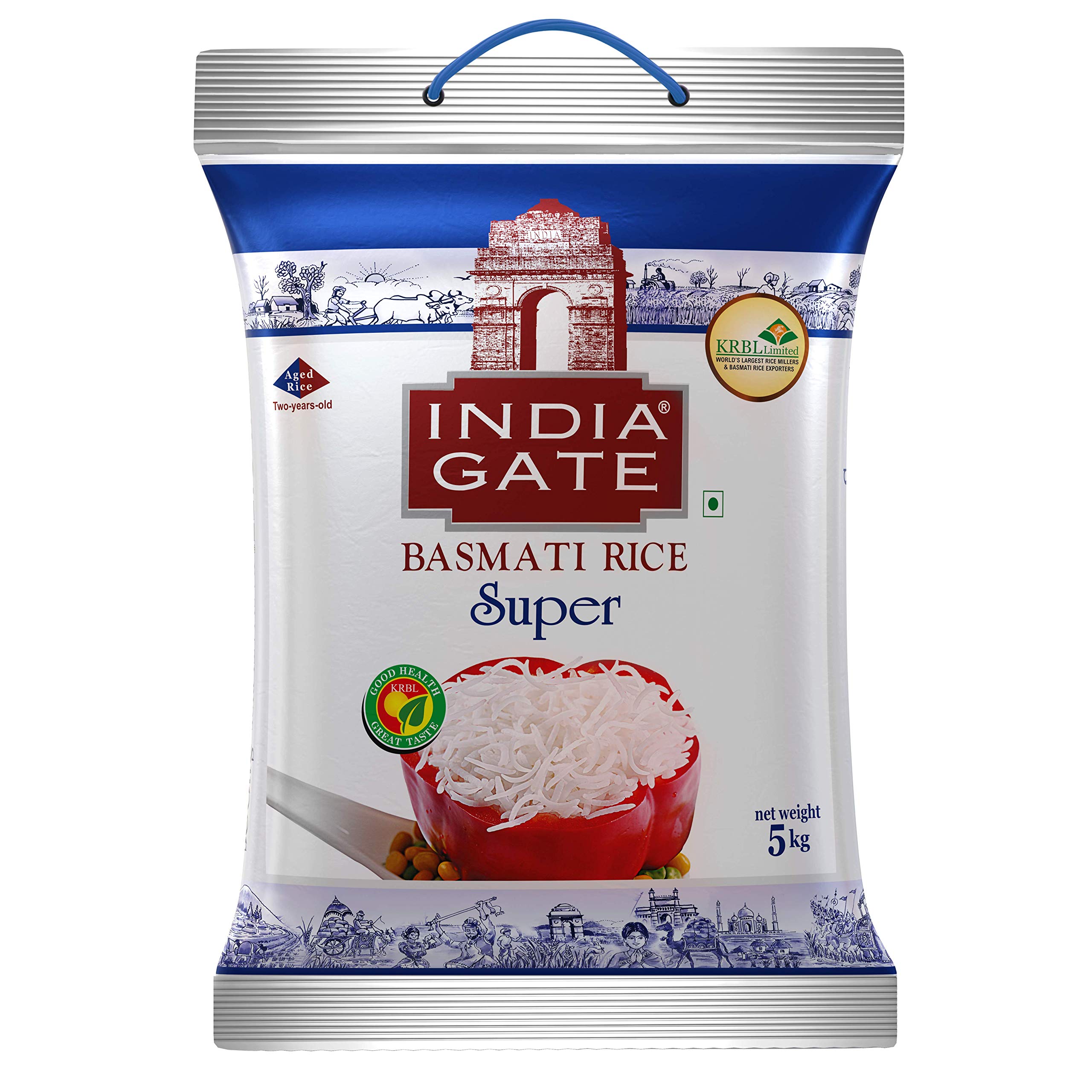
This integration gives the company better control over quality, supply and cost than a business that simply buys processed rice and puts a brand name on it. Business scale: According to CARE Ratings’ September 2025 assessment, the company’s official website separately claims that India Gate reaches more than 1.1 crore Indian households and has a 16.1% global market share, based on a Mordor Intelligence report. These figures are company-reported and should be viewed in that context.
Why the brand became successful: The India Gate story can be explained through six business decisions: Early category entry: It entered branded packaged rice when the segment was still underdeveloped. Premiumisation: It persuaded consumers that rice quality deserved a premium. Consistent product: The brand reduced the uncertainty associated with buying loose rice. Export experience: International markets helped KRBL build scale and quality systems.
Deep distribution: Availability in supermarkets, traditional stores and e-commerce made the brand easy to find. Integrated operations: Control over sourcing, processing, ageing and packaging supported reliability. Challenges and lessons: The business is also exposed to several risks. Basmati requires substantial inventory because paddy must often be stored and aged, tying up working capital.
Profitability can also change because of paddy prices, weather conditions, foreign-exchange movements, export restrictions and geopolitical problems. For example, CARE Ratings noted that the loss of a Saudi distributor affected KRBL’s Middle East performance and that the company was working to regain market share there.
The main lesson: India Gate’s success was not simply the result of selling rice in a colourful packet. KRBL built a complete brand system: Reliable sourcing + controlled processing + ageing technology + premium positioning + strong distribution + international localisation. That transformed basmati rice from a loose agricultural commodity into a trusted national and global consumer brand.
India Gate Basmati Rice – Turnover & Net Worth: India Gate is the flagship basmati-rice brand of KRBL Limited. Therefore, there is no separately disclosed public turnover or net-worth figure for the India Gate brand alone; the available audited figures are for KRBL Limited as a whole.
NSE India +1 Financial indicator FY 2025 FY 2026 KRBL revenue from operations ₹5,594 crore ₹6,098 crore Growth — ~9.0% Net worth ~₹5,240 crore FY26 annual report figure is higher; see note below PAT ~₹476 crore ₹1,648 crore India Gate status Flagship brand Flagship brand KRBL's FY2026 consolidated revenue from operations was ₹6,097.86 crore, compared with ₹5,593.81 crore in FY2025. PAT increased to ₹1,648 crore, according to the FY2025-26 annual report.
Important point about “India Gate turnover”: The ₹6,098 crore is KRBL's total company turnover, not India Gate's standalone turnover. KRBL sells India Gate as well as other rice and food products. In FY26, domestic revenue was about ₹4,444 crore and export revenue about ₹1,555 crore.
KRBL says India Gate reaches more than 1.1 crore Indian kitchens, and the company sells across India and in 90+ countries. Krblrice In short: Company: KRBL Limited Flagship brand: India Gate Latest company turnover: ~₹6,098 crore (FY26) FY26 PAT: ~₹1,648 crore.
.
September 27, 2026
September 22, 2026

September 18, 2026
Icons of Indian Business: Icons of Indian Business is a monthly business magazine targeted at Indian business owners, traders and entrepreneurial enthusiasts. It provides online media solutions for Entrepreneurs. IIB has been the definite guide to the diverse challenges of entrepreneurship. Each edition consists of entrepreneurs ... with the all information they require and demand to grow their business. Iconsindianbusiness.com offers a daily source of information, strategic insights and how-to guidance on virtually every area of business management, from leadership to marketing, technology and money matters. IIB connects with millions of business owners who drives forward with the ideas and innovations.Make your brand the preferred choice with these affluent business decision-makers through a variety of customized programs integrated across digital,print,event and community platforms. IIB team works from Bangalore,Karnataka, but has a presence throughout India through its correspondents. IIB published 12 times a year, available in print and digital editions.
© 2024 Iconsofindianbusiness.com. All Right Reserved.