Successful story of GRB Dairy Products
September 22, 2026
September 23, 2026,2:19:43 AM


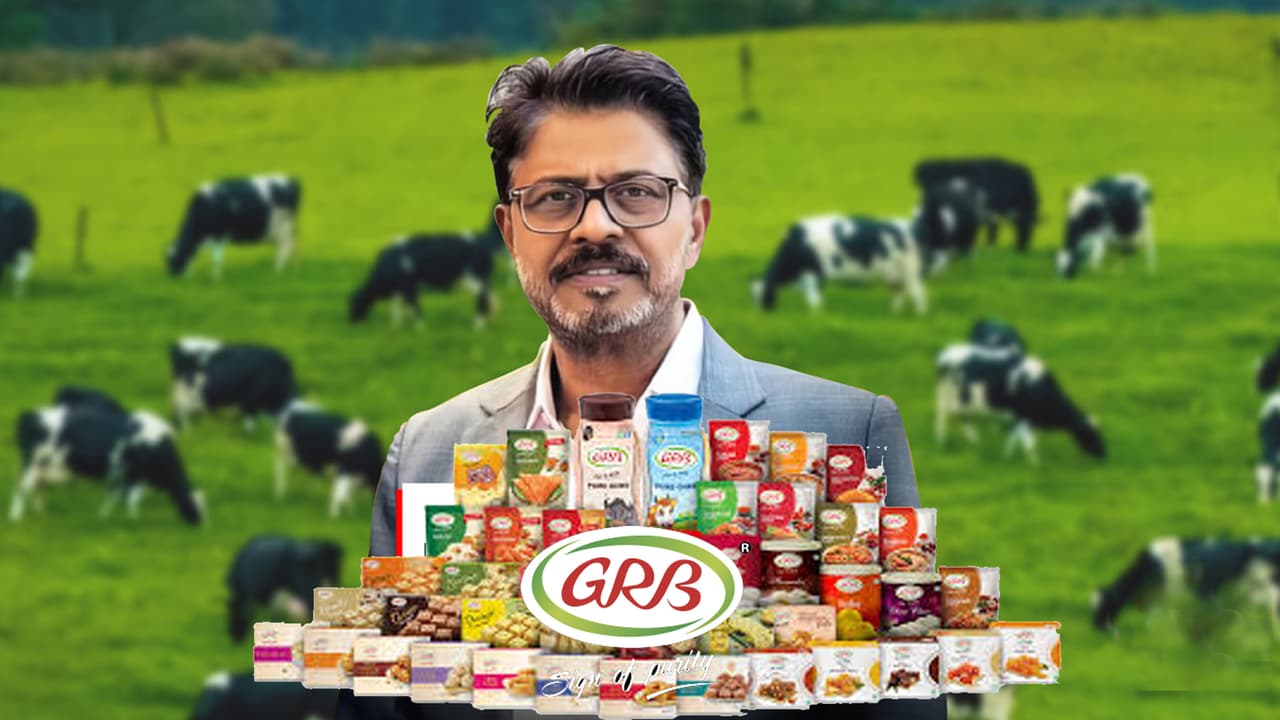
G. R. Balasubramaniam is the man behind this inspiring story, having built GRB Dairy Foods into a ₹1,400 crore empire without taking any outside investment. He grew up in Chinna Karattupatty, a small village near Palani in Tamil Nadu. He left school at the age of 13 to work.
He started out selling butter on a bicycle and working in Bengaluru. With just ₹3,000 to ₹6,000 in savings, he set up a small ghee and butter business in a rented shop without any formal degree, family backing, or venture funding. Through a strict focus on product quality and consistency, GRB Dairy Foods expanded from a local operation into a household name, exporting ghee, sweets, and snacks to over 40 countries.
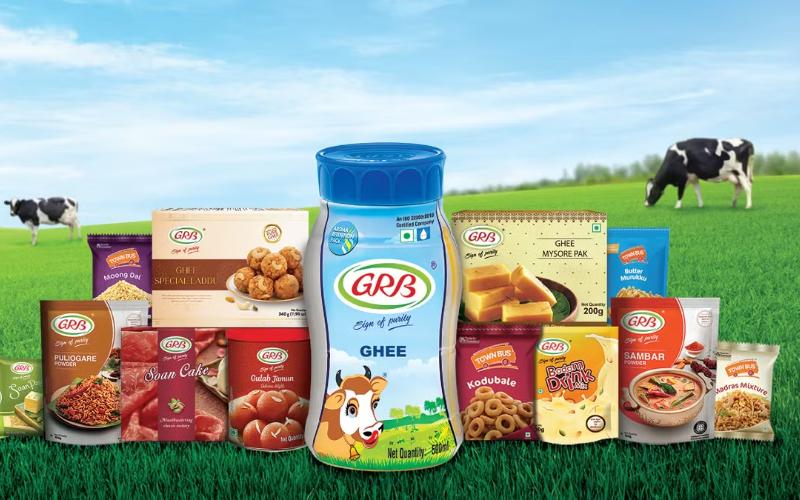
GRB Ghee success journey:
GRB Ghee, produced by GRB Dairy Foods, is a notable example of a small, self-funded food business becoming a large South Indian FMCG brand. The company was built by G. R. Balasubramaniam, who began with butter sales in Bengaluru and gradually developed GRB into a dairy, sweets, snacks and packaged-foods company.
Humble beginnings:
Balasubramaniam came from a village near Palani in Tamil Nadu. He left school after Class 8, at about 13, and moved to Bengaluru. He first learned the butter and ghee trade by working with his sister and brother-in-law. After around 14 years of experience, he started his own business in 1984. Reports differ slightly on the initial capital: some mention ₹3,000 available for operations, while others describe ₹6,000 in savings and additional funds arranged through a chit fund.
Initially, he sold butter door-to-door on a bicycle. The butter was packed simply, and he personally approached households, hotels, sweet shops and retailers. This gave him direct knowledge of customer preferences and helped him build relationships before GRB became a recognised brand.
Why he shifted to ghee:
Balasubramaniam noticed that hotels and sweet shops often bought butter and converted it into ghee themselves. Butter also had a shorter shelf life and could spoil quickly. He therefore began converting the butter into ghee and selling the finished product. This was an important business decision: instead of remaining a small butter trader, he moved into a value-added product with better shelf life, stronger branding potential and higher customer demand. GRB’s ghee became the company’s anchor product.
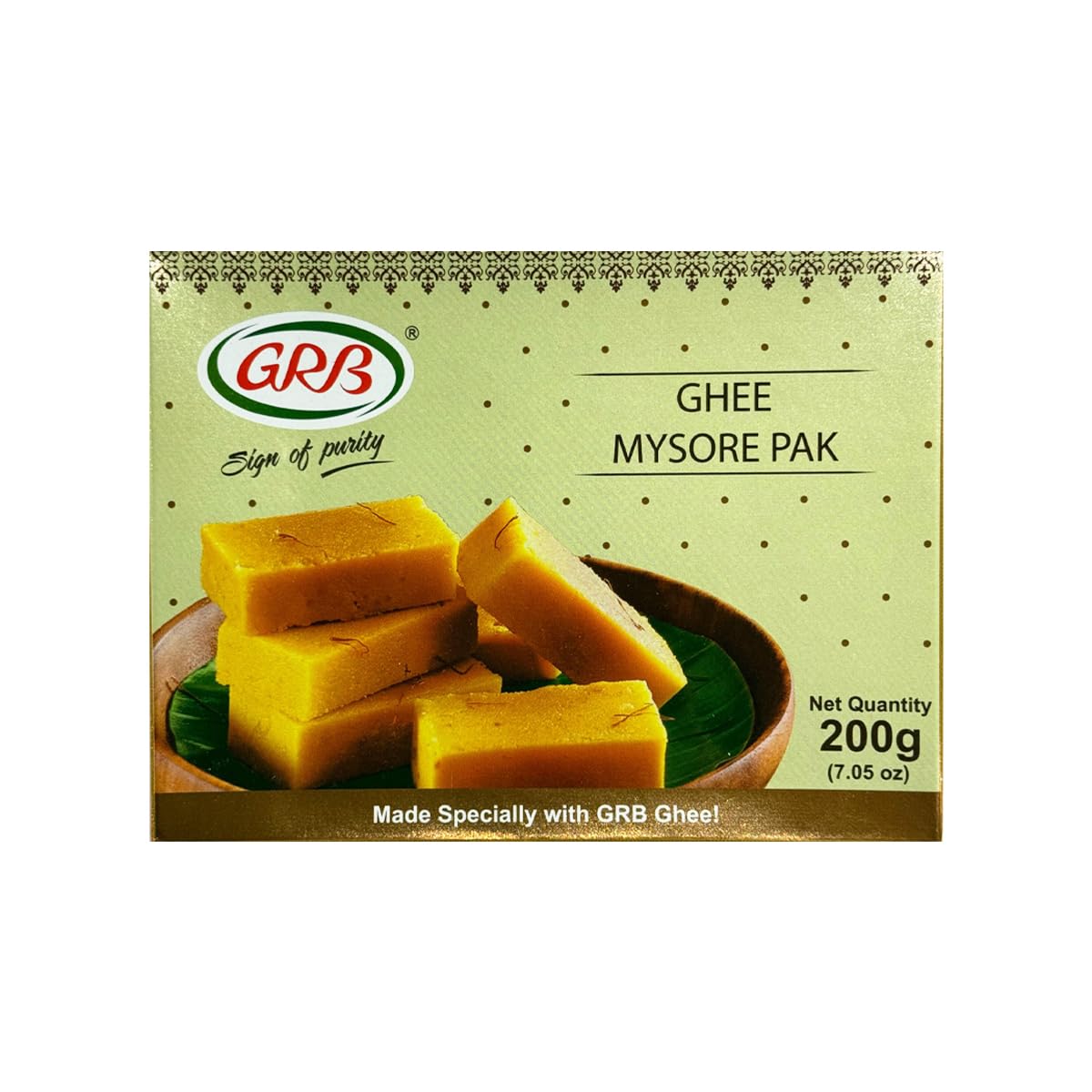
Building the GRB brand.
The company’s growth followed several stages: The quality strategy. GRB competed in a crowded ghee market dominated by local dairies and large national brands. Its main advantage was not merely low pricing. The company focused on: Consistent taste and aroma.
Traditional-style preparation.
Reliable quality and purity. Direct procurement of butter from farmers. Attractive and standardised packaging. A strong retailer and distributor network. The company’s official history says that Balasubramaniam procured butter directly from farmers and sold butter and ghee through both household and shop-to-shop channels.
A key lesson was that quality had to be experienced by customers. When GRB entered new markets, some retailers were reluctant to replace familiar brands. But after consumers tried the product and demand grew, retailers became more willing to stock it. This helped the brand spread through word of mouth, especially in South Indian households.
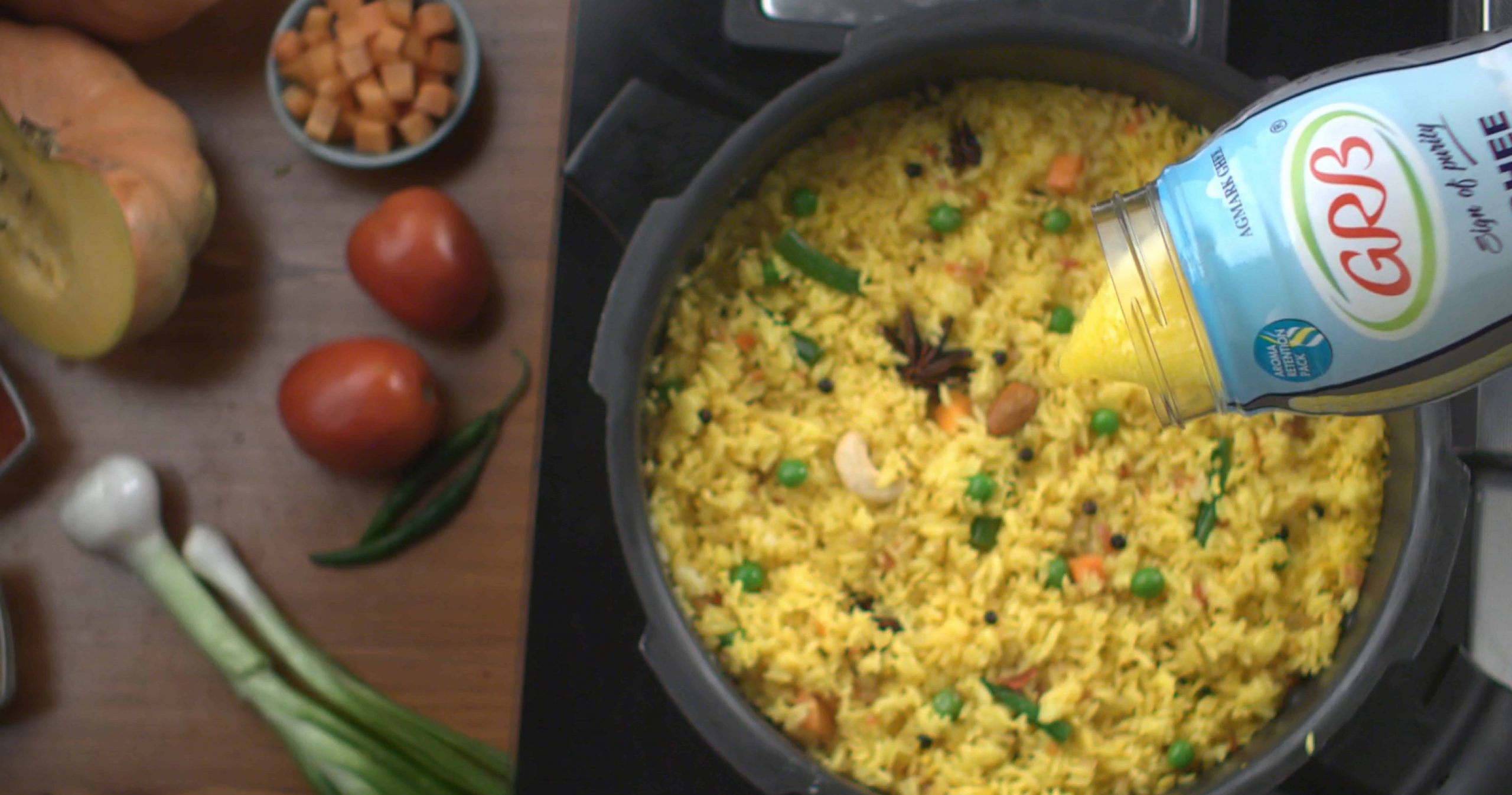
From ghee to a wider food company, GRB did not remain dependent only on ghee. Over time, it expanded into: Traditional sweets. Snacks. Instant mixes and ready-to-cook products. Spices and masala products. Pickles and other packaged foods. Festive and gifting products. This strategy allowed GRB to use the trust created by its ghee brand in adjacent food categories.
However, the company has continued to treat ghee as its core category; one recent report estimated that roughly 75–80% of its business still comes from ghee.
GRB’s growth is particularly notable because it was built largely through internal reinvestment rather than the venture-capital-funded model common among modern consumer businesses. Recent coverage describes it as a bootstrapped or self-funded enterprise.

Main reasons for GRB’s success:
Deep product knowledge: The founder spent years learning the butter and ghee trade before starting independently. Value addition: Converting butter into ghee improved shelf life and created a more scalable product. Hands-on selling: Door-to-door and shop-to-shop sales helped the company understand customers and retailers directly. Consistency over discounts: GRB competed through perceived quality and dependable taste rather than only through low prices.
Strong distribution: The company developed an FMCG-style retail network instead of depending only on personal selling. Regional concentration first: It established strong positions in Karnataka and Tamil Nadu before expanding further. Reinvestment of profits: Manufacturing capacity, distribution and product development were built gradually.

Extension into related categories:
Sweets, snacks, spices and instant mixes benefited from the trust created by GRB Ghee. Business lesson: GRB’s journey shows that a regional food brand can challenge larger companies by combining a trusted core product, consistent quality, retailer relationships and disciplined expansion. Its real achievement was not simply making ghee; it converted a traditional product into a recognisable packaged brand and then used that brand trust to build a wider food business.
Turnover
Recent reports place GRB Dairy Foods’ annual turnover in the range of approximately ₹1,000–₹1,400 crore, although the exact figure varies by report and financial year. The company is also reported to employ around 2,500 people and export its products to more than 40 countries. These figures should be treated as reported estimates unless confirmed through audited financial statements.
September 22, 2026
September 18, 2026
Icons of Indian Business: Icons of Indian Business is a monthly business magazine targeted at Indian business owners, traders and entrepreneurial enthusiasts. It provides online media solutions for Entrepreneurs. IIB has been the definite guide to the diverse challenges of entrepreneurship. Each edition consists of entrepreneurs ... with the all information they require and demand to grow their business. Iconsindianbusiness.com offers a daily source of information, strategic insights and how-to guidance on virtually every area of business management, from leadership to marketing, technology and money matters. IIB connects with millions of business owners who drives forward with the ideas and innovations.Make your brand the preferred choice with these affluent business decision-makers through a variety of customized programs integrated across digital,print,event and community platforms. IIB team works from Bangalore,Karnataka, but has a presence throughout India through its correspondents. IIB published 12 times a year, available in print and digital editions.
© 2024 Iconsofindianbusiness.com. All Right Reserved.