Anupriya Nagar's Success Story: From 21-Year-Old London Student to Successful Producer.
September 19, 2026
September 19, 2026,3:05:30 PM

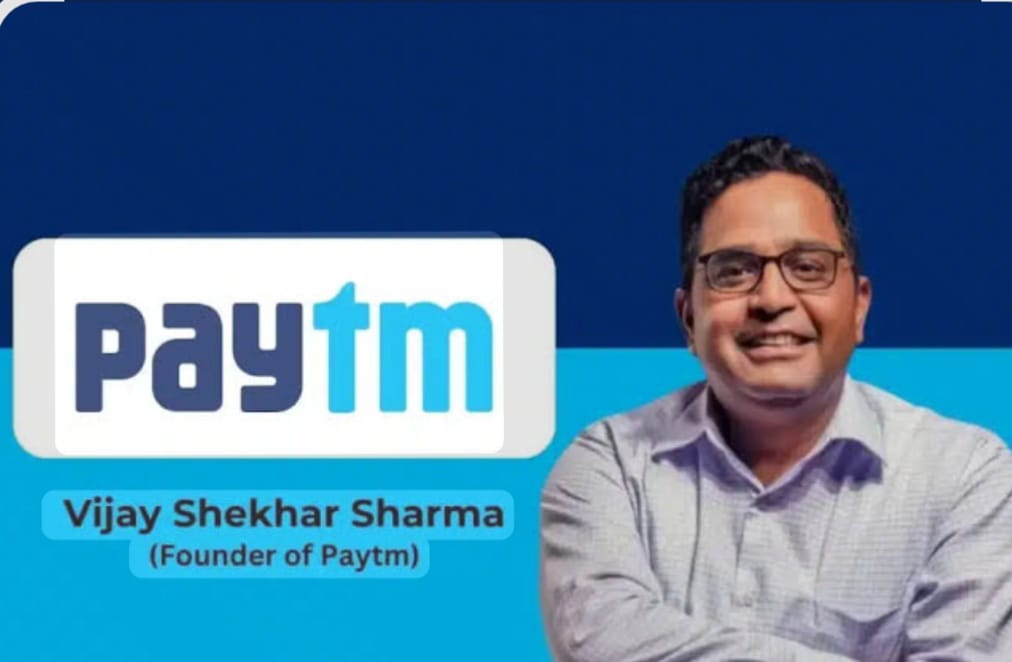
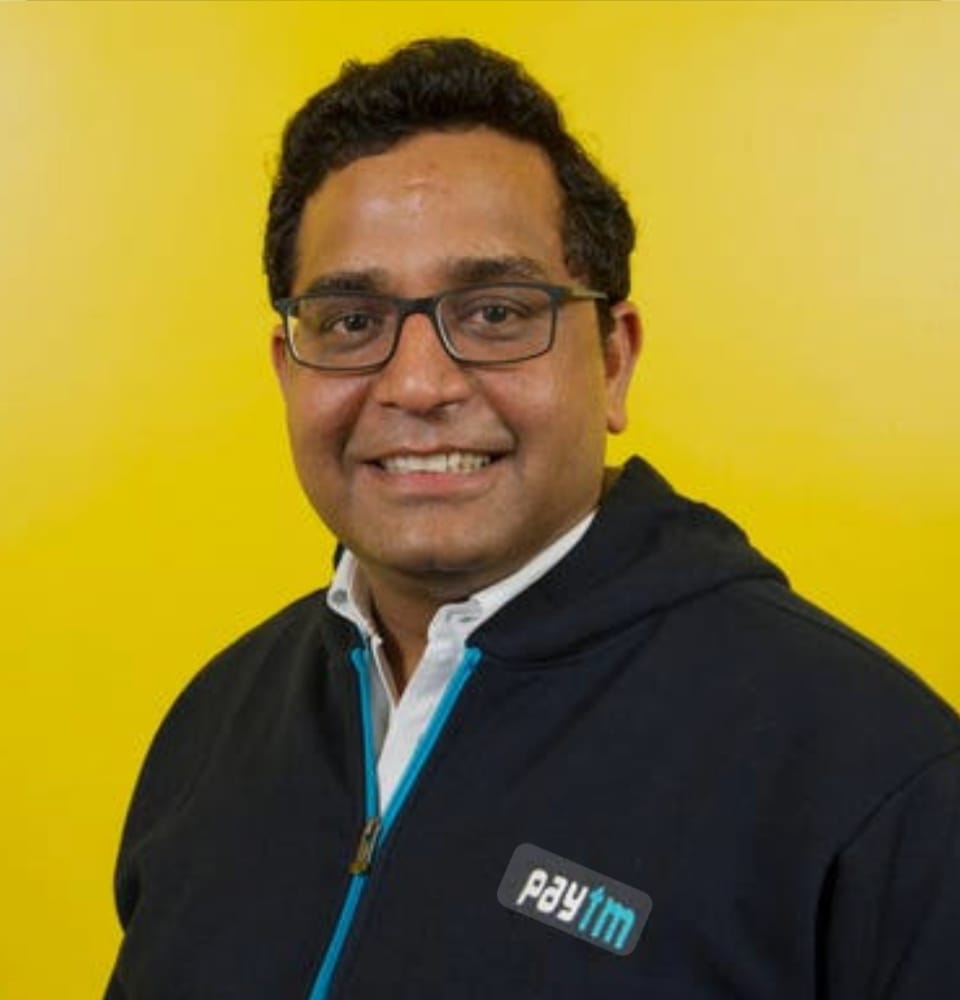
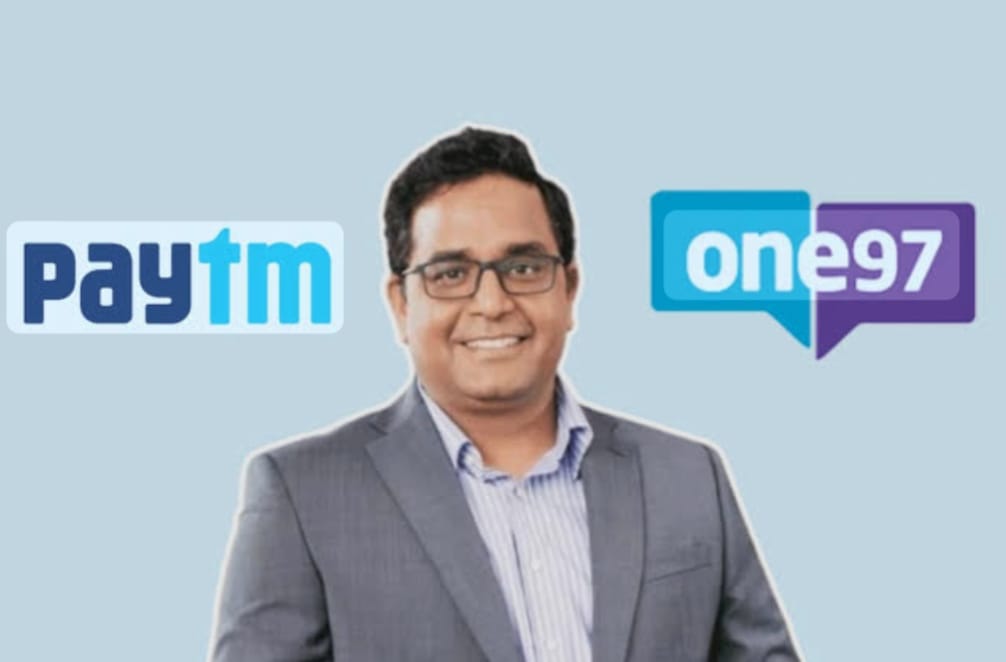
Vijay Shekhar Sharma is the founder of Paytm. He launched the company in 2010 under One97 Communications, initially as a mobile recharge platform that later grew into India's leading digital payments app.
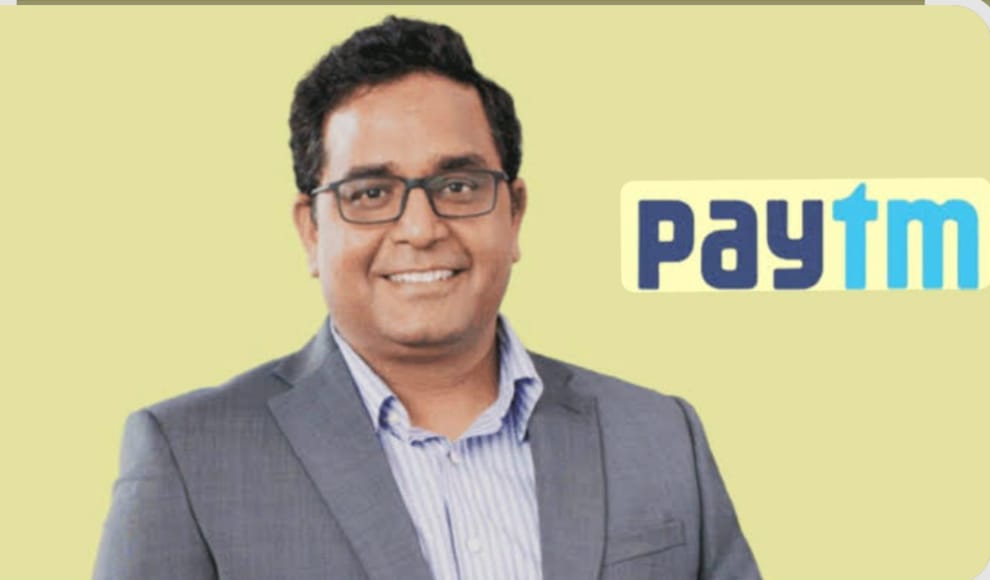
Background: Born on June 7, 1978, in Aligarh, Uttar Pradesh, Sharma started his entrepreneurial journey in college by creating indiasite.net, which he sold for $1 million. He remains Paytm's CEO and Chairman, steering it through major growth post-2016 demonetization. Key Achievements: Paytm expanded to bill payments, e-commerce, and financial services, achieving India's largest IPO in 2021 at a $19 billion valuation. Sharma was named in Time Magazine's 100 most influential people in 2017.
Vijay Shekhar Sharma was born on June 7, 1978, in Aligarh, Uttar Pradesh, as the third of four children to a schoolteacher father, Sulom Prakash Sharma, and a homemaker mother, Asha Sharma.
He grew up in modest circumstances in Harduaganj near Aligarh, attending a Hindi-medium school where he excelled academically despite early struggles with English. Education: Sharma enrolled in college at age 15 and earned a B.Tech degree in Electronics and Communication Engineering from Delhi College of Engineering (now Delhi Technological University) by age 19.
He overcame language barriers by self-studying English through magazines like Time and Forbes. Early Challenges: A top student in school, Sharma became a "backbencher" in college due to embarrassment from not speaking English fluently in class. These experiences fueled his determination, leading to early ventures like creating indiasite.net during college.
Vijay Shekhar Sharma overcame his English language barriers in engineering college through self-study. Coming from a Hindi-medium background, he felt embarrassed speaking in class and became a backbencher. Self-Learning MethodsHe improved by reading international magazines like Time and Forbes, which helped build his vocabulary and comprehension.
This persistent, independent effort enabled him to adapt without formal training. Impact on Career: These experiences built resilience, leading to early successes like launching indiasite.net during college and later founding Paytm.
Vijay Shekhar Sharma continued building his English proficiency after college through consistent immersion and practical use in his entrepreneurial career. His self-taught foundation from magazines like Time and Forbes evolved into a real-world application. Career Immersion.
As he launched early ventures like indiasite.net and later Paytm, Sharma engaged in international business dealings, investor pitches, and media interactions that demanded fluent communication. Regular exposure to global English-speaking networks sharpened his skills over time. Ongoing Practice: He credits persistent reading of business publications and speaking at high-profile events, such as World Economic Forum panels, for refining his proficiency into a professional asset
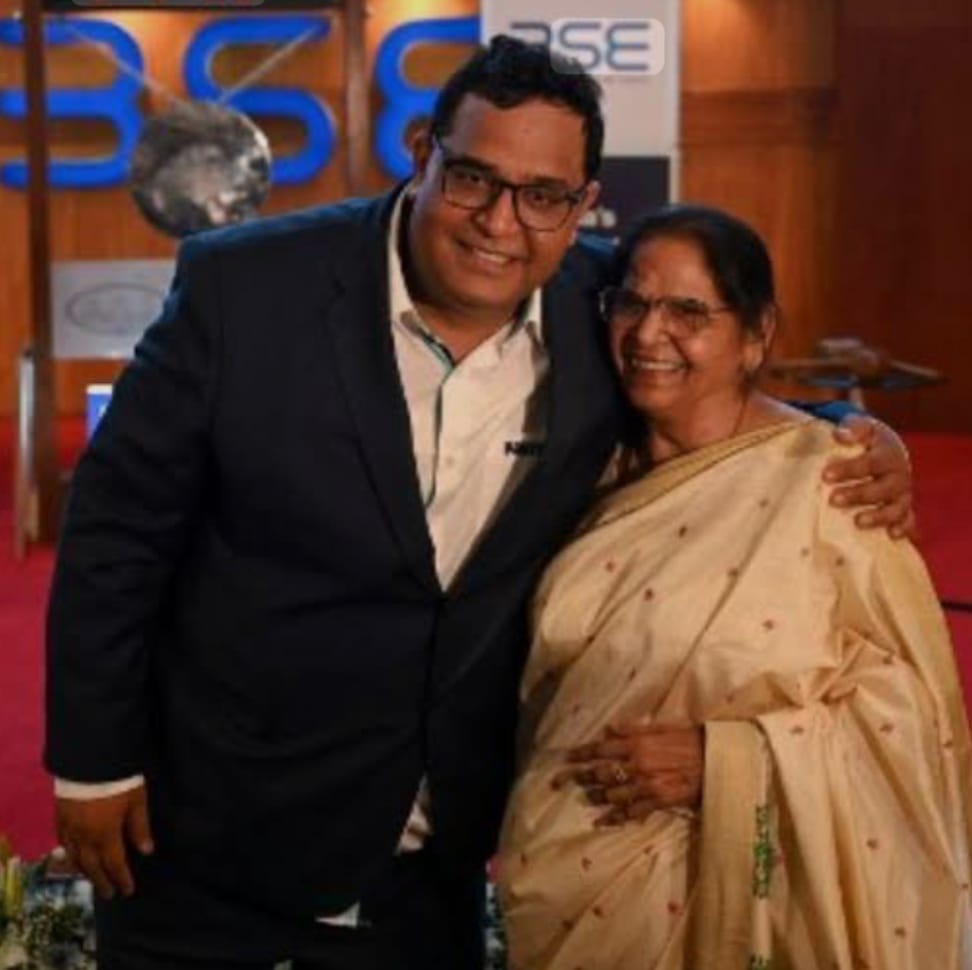
Paytm's popularity surged through strategic expansions, a pivotal government policy, and heavy marketing. Launched in 2010 as a mobile recharge platform, it evolved into a versatile digital wallet by 2014. Demonetization BoostIndia's 2016 demonetization policy invalidated high-value notes, driving millions to digital payments overnight.
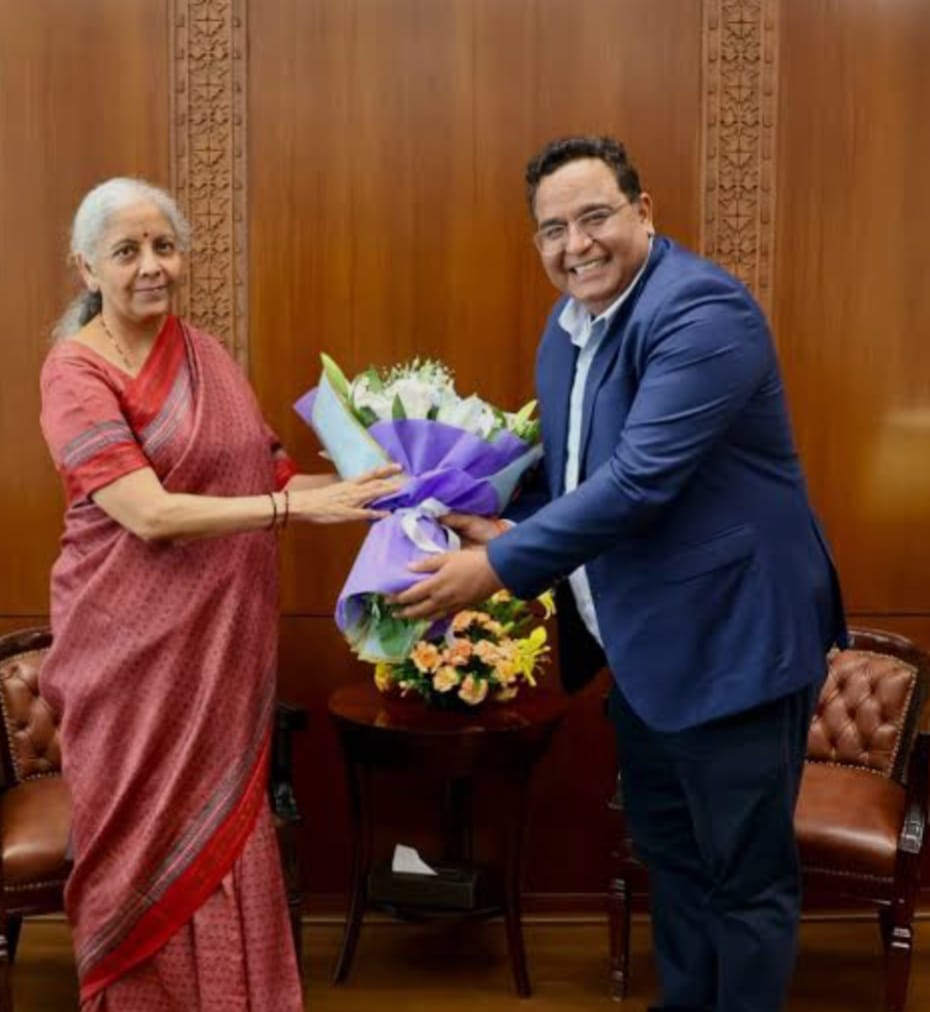
Paytm capitalised on its e-wallet, growing from 125 million to 185 million users in months and processing billions of transactions. Expansions and Investments. It added bill payments, ticketing, e-commerce, and Paytm Payments Bank in 2017, partnering with Uber and Indian Railways. Major funding from Alibaba, SoftBank, and Berkshire Hathaway fueled growth to 350 million users by the 2021 IPO.
Paytm expanded beyond core payments by leveraging its massive user base, regulatory approvals, and strategic partnerships to build a full financial ecosystem. This diversification started post-2016 demonetization and accelerated through 2018–2021.Entry into Banking. In 2017, Paytm launched Paytm Payments Bank, India's first payments bank, offering savings accounts, fixed deposits, and interest-bearing wallets with no minimum balance—targeting unbanked users in rural areas.
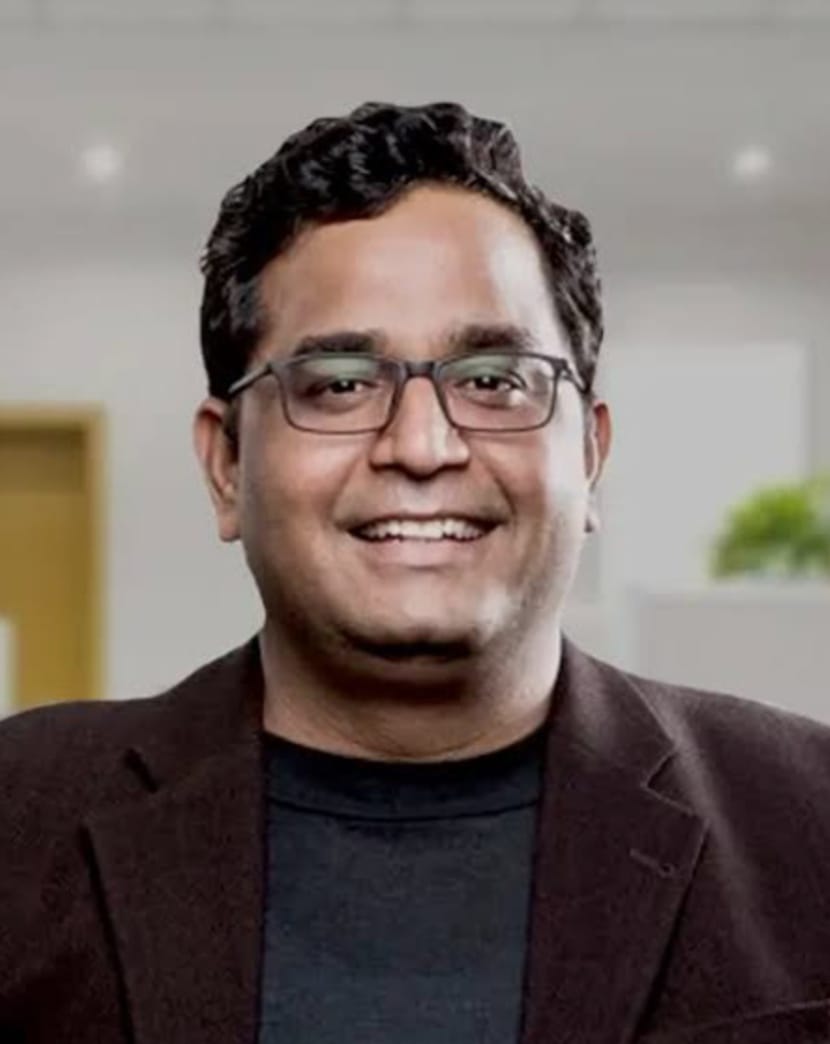
This bridged digital wallets and traditional banking, generating revenue via fees and interest while integrating seamlessly with its app. Other Services GrowthPaytm added bill payments, mobile recharges, e-commerce (Paytm Mall), merchant tools like POS systems and payment gateways, wealth management (mutual funds, gold trading), insurance, gaming (Paytm First Games), and lending via bank partnerships. Business solutions like the 'Paytm for Business' app helped merchants track payments, growing its base to over 7 million by 2018.

Paytm's latest quarterly revenue shows strong recovery and growth. In Q3 FY26 (October-December 2025), operating revenue reached Rs 2,194 crore, up 20% year-on-year from Rs 1,828 crore—recent Trends. For the first nine months of FY26, revenue grew 24% to Rs 6,173 crore. Q2 FY26 revenue was Rs 2,061 crore (up 24% YoY), driven by payments GMV, merchant subscriptions, and financial services. Annual ContextTTM revenue stands at around Rs 8,054 crore as of early 2026, with profitability returning—Q3 FY26 net profit hit Rs 225 crore versus prior losses.
Paytm's current market capitalisation stands at approximately ₹72,000–73,000 crore, reflecting its share price around ₹1,120–1,140 as of late February 2026.Valuation Details: This equates to roughly $8.4 billion USD, ranking it among India's top fintech firms by market cap despite past volatility.
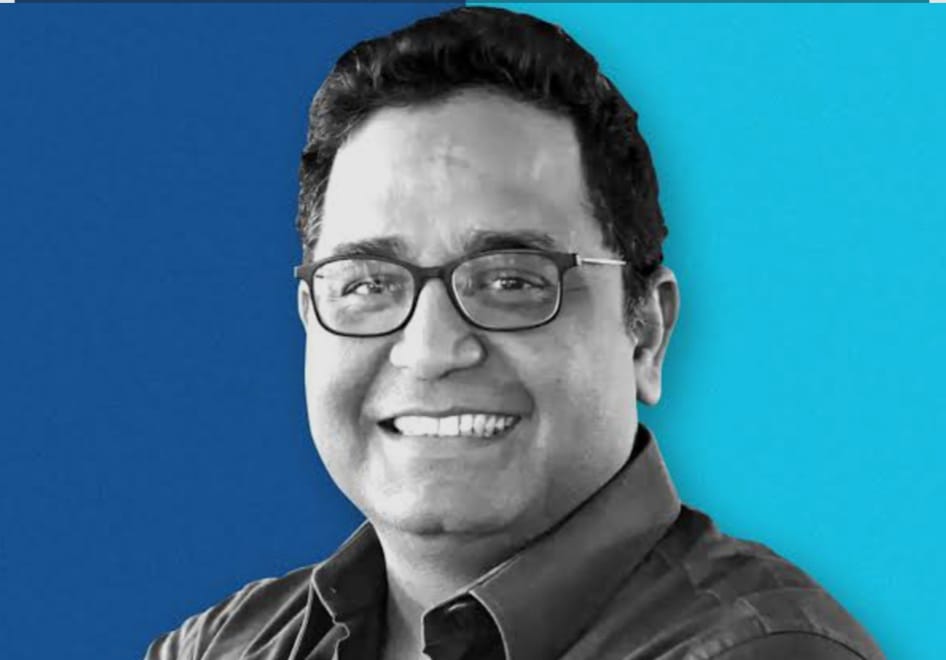
Figures vary slightly by source and exact trading date, with recent data showing ₹72,464 crore on Upstox and ₹72,512 crore on Groww. The valuation has stabilised post-regulatory hurdles, driven by Q3 FY26 profitability and payments growth, though it remains below 2021 IPO peaks
Vijay Shekhar Sharma's personal net worth is estimated between $1.15 billion and $1.4 billion USD as of late 2025. This equates to roughly ₹9,500–12,000 crore, primarily from his Paytm stake and startup investments. Recent Estimates. Forbes and other sources pegged it at $1.15 billion in 2025, with minor increases noted.
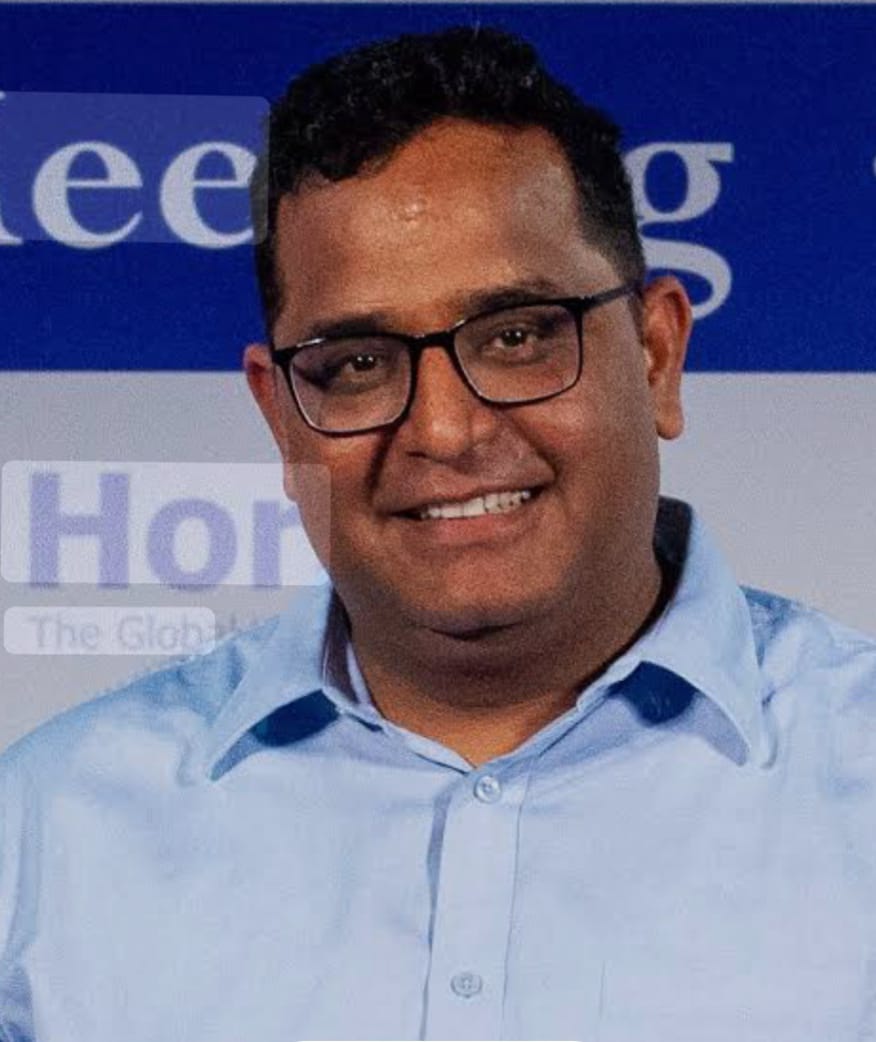
An Economic Times report from August 2025 cited $1.4 billion (₹12,000 crore).Wealth SourcesHis fortune ties directly to Paytm's market recovery and profitability in FY26, plus angel investments in tech ventures. Older figures like $1.1 billion from 2022 reflect past volatility.

September 18, 2026
Icons of Indian Business: Icons of Indian Business is a monthly business magazine targeted at Indian business owners, traders and entrepreneurial enthusiasts. It provides online media solutions for Entrepreneurs. IIB has been the definite guide to the diverse challenges of entrepreneurship. Each edition consists of entrepreneurs ... with the all information they require and demand to grow their business. Iconsindianbusiness.com offers a daily source of information, strategic insights and how-to guidance on virtually every area of business management, from leadership to marketing, technology and money matters. IIB connects with millions of business owners who drives forward with the ideas and innovations.Make your brand the preferred choice with these affluent business decision-makers through a variety of customized programs integrated across digital,print,event and community platforms. IIB team works from Bangalore,Karnataka, but has a presence throughout India through its correspondents. IIB published 12 times a year, available in print and digital editions.
© 2024 Iconsofindianbusiness.com. All Right Reserved.