Anupriya Nagar's Success Story: From 21-Year-Old London Student to Successful Producer.
September 19, 2026
September 19, 2026,3:02:43 PM

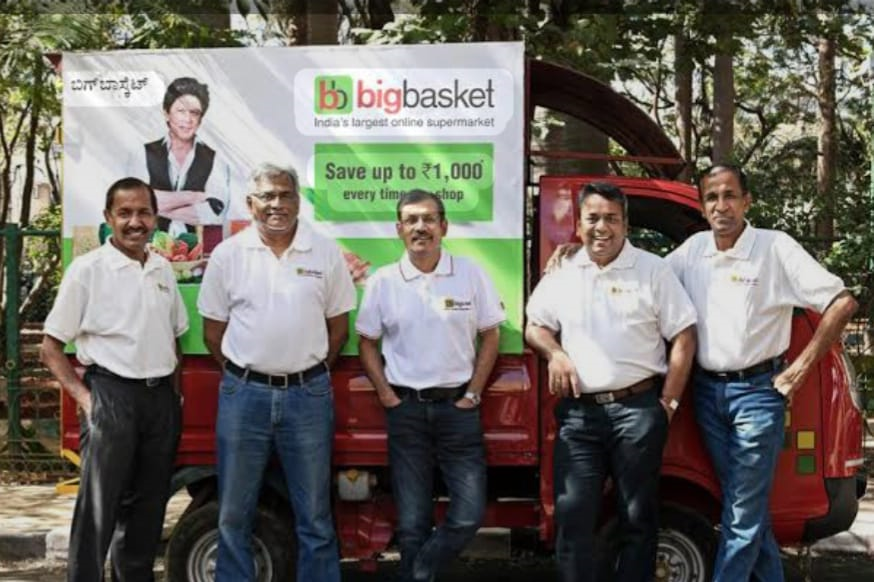
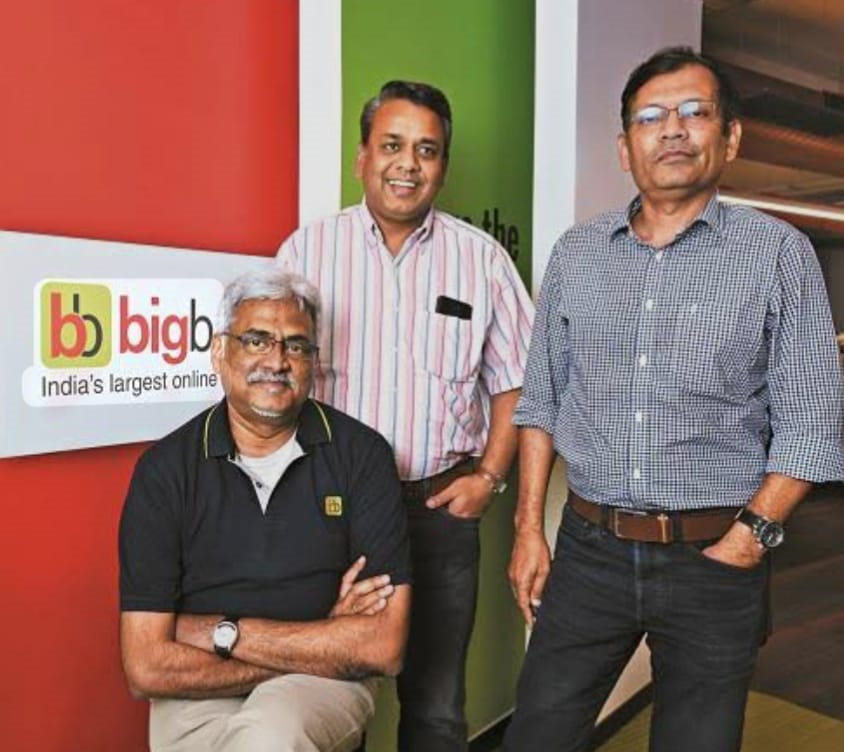
BigBasket was founded by five entrepreneurs: Hari Menon, Vipul Parekh, V. S. Sudhakar, V. S. Ramesh, and Abhinay Choudhari. Hari Menon is the best-known co-founder and has served as CEO. Founding team: Hari Menon. Vipul Parekh. V. S. Sudhakar. V. S. Ramesh. Abhinay Choudhari. Background:
The founders had earlier startup experience before BigBasket, and the company was launched in 2011 after their earlier online grocery efforts. BigBasket started in Bengaluru and grew into India’s leading online grocery platform.
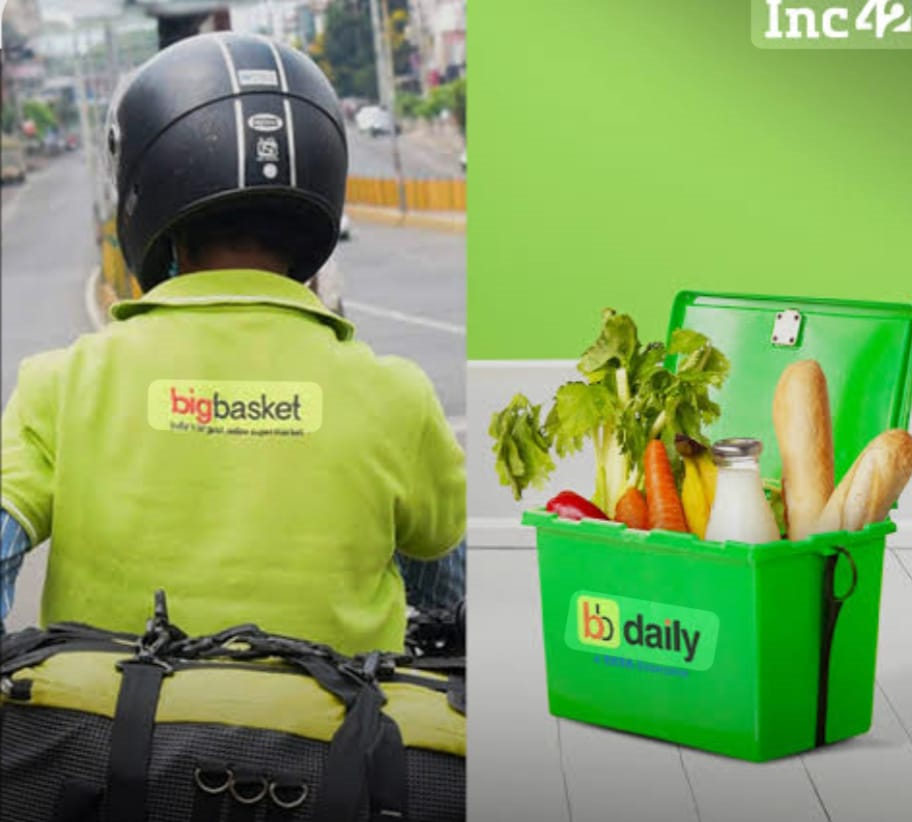
Here are short bios for the five BigBasket founders:
Hari Menon — Co-founder and CEO of BigBasket. Hari previously co-founded Fabmart/Fabmall and brought years of retail and e-commerce experience to BigBasket’s 2011 launch. He is the public face of the company and has focused on building a large, profitable online grocery business in India.
Vipul Parekh — Co-founder of BigBasket. Vipul was part of the founding team that launched the company in 2011. Public sources consistently list him among the five co-founders, though detailed biographical information is less widely published than for Hari Menon.
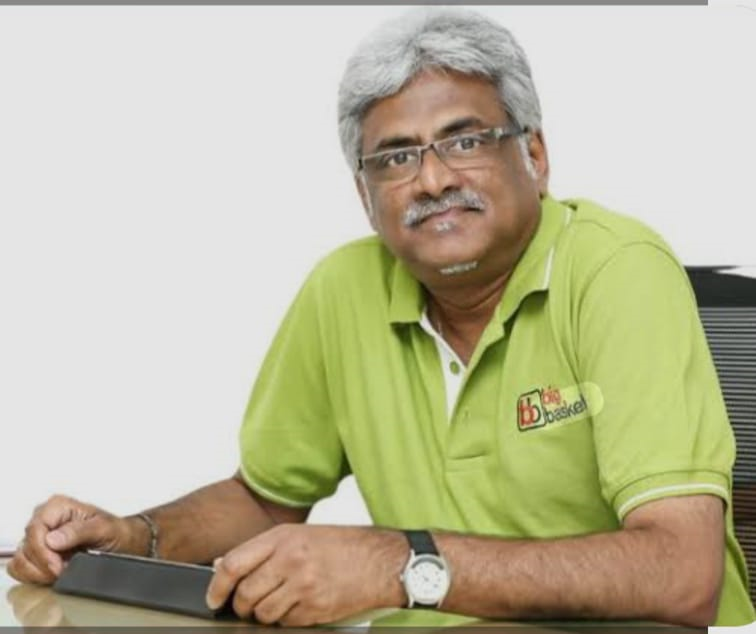
V. S. Sudhakar — One of BigBasket’s five co-founders, Sudhakar helped build the company from its early days in Bengaluru. He is part of the founding group that drew on earlier startup experience to create the online grocery platform.
V. S. Ramesh — Ramesh is listed as a BigBasket co-founder and early builder of the business. Like the rest of the founding team, he helped shape the company’s retail and supply-chain model as it scaled across India
. Abhinay Choudhari — Choudhari is one of the five original co-founders of BigBasket. He was part of the team that launched the company in 2011 and helped establish it as India’s leading online grocer. BigBasket’s founding team is often described as five experienced operators who combined retail, technology, and supply-chain know-how to build the company.
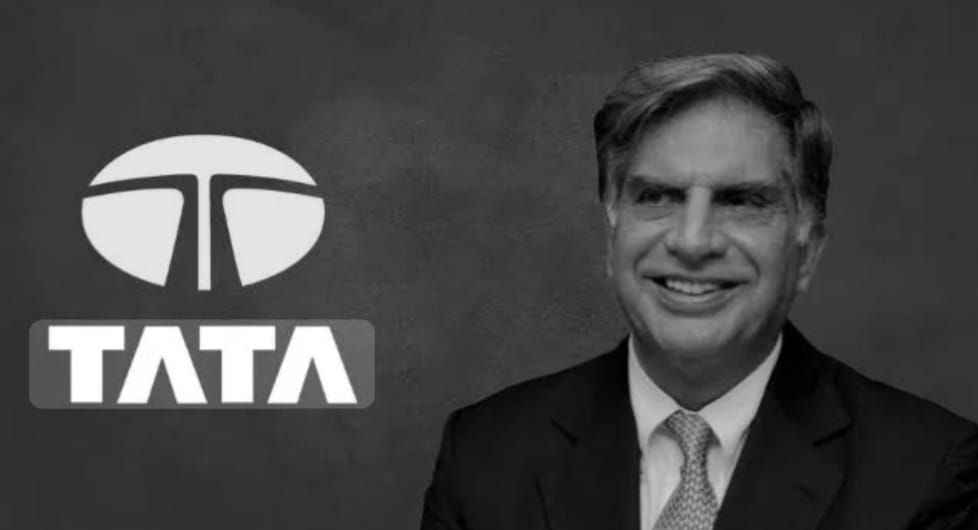
Tata Digital acquired a majority stake in BigBasket in 2021, giving the Tata Group control of the company while the founders stayed on to run and scale the business. The deal was widely reported as a partial exit for existing investors, including the founders, with Hari Menon and the founding team continuing in leadership roles after the acquisition.

What happened: Tata Digital, a subsidiary of Tata Sons, acquired a majority stake in BigBasket, thereby becoming the controlling shareholder. The transaction was reported around the $1.5–2 billion range, with some reports placing the enterprise value at roughly ₹13,500 crore.
The founders did not fully leave; they remained involved in the business after the deal. Why it mattered: For BigBasket’s founders, the deal provided liquidity and a path to scale with a much larger parent company. For Tata, it was a strategic move into food and grocery e-commerce, putting it in direct competition with Amazon, Reliance, and other online retail players.
BigBasket also became a key part of Tata’s broader digital and super-app ambitions. Structure in simple terms: The founders and some early investors sold a majority of their shares to Tata Digital, but the operating team stayed in place to keep building the company. In practice, that meant BigBasket moved from founder-led independence to Tata-backed expansion.
BigBasket competes with Zepto and Blinkit by leveraging a broader SKU assortment, deeper supply‑chain and private‑label strength, and a hybrid dark‑store + warehouse network that targets higher average order values and better unit economics, while its rivals emphasise denser dark‑store networks and faster (10–12 minute) deliveries driven by hyperlocal scale and aggressive cash burn.
How they differ (key points): Assortment and basket size — BigBasket offers a far wider SKU range (inventory-led supermarkets and private labels), which drives higher average order values than Zepto/Blinkit’s typical small impulse baskets.
Supply chain and sourcing — BigBasket’s integrated supply chain (farmer sourcing, larger warehouses, private brands) gives better control over margins, freshness and pricing versus Zepto/Blinkit’s lighter, hyperlocal sourcing model. Network architecture — BigBasket runs a hybrid model: large dark stores/warehouses for breadth plus spokes for quick delivery; Zepto and Blinkit use a denser, micro dark‑store footprint optimised for 10–12 minute promises.
Unit economics and margins — BigBasket focuses on improving unit economics via higher AOV and private‑label margins, while Zepto/Blinkit often rely on heavy marketing and subsidy-led growth to capture share quickly.

Speed and marketing play — Blinkit and Zepto emphasise ultra‑fast delivery SLAs and consumer mindshare through aggressive funding and growth campaigns; BigBasket trades some speed for assortment and profitability focus, though it has been rapidly expanding BB Now/Instant to close the speed gap.
Brand perception and customer use-case — Consumers view BigBasket for planned, full‑cart grocery shopping, and Zepto/Blinkit for quick top‑ups and impulse purchases; this creates different retention and frequency dynamics. Tradeoffs and competitive implications: Advantage to BigBasket: stronger margins, better fresh produce control, resilient B2B/B2C revenue mix and higher AOVs that can make quick commerce sustainable long‑term.
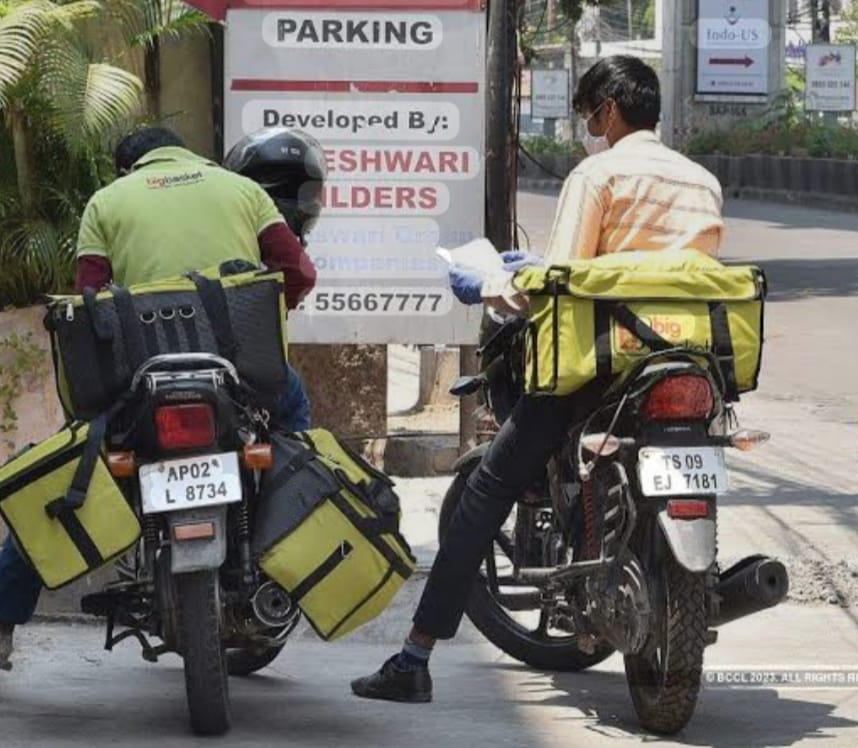
Advantage to Zepto/Blinkit: superior last‑mile reach in dense urban pockets, faster delivery experience, and stronger share among impulsive, frequency‑driven users—helpful for rapid expansion and volume wins. Example strategic moves BigBasket uses to compete: expanding dark‑store count and BB Now SKUs while using the Tata group ecosystem (brands, payments, customer reach) to cross‑sell and scale.

BigBasket’s turnover for FY25 was about ₹9,900 crore on a consolidated basis, while its B2C arm alone reported ₹7,673 crore and its B2B arm ₹2,227 crore. Its net worth is not clearly reported in the sources I found, but its FY25 net loss was about ₹2,006.8 crore consolidated, with the B2C unit losing ₹1,850.98 crore.
Turnover: Consolidated revenue from operations: ₹9,866.7 crore in FY25. B2C unit turnover: ₹7,673.44 crore in FY25, down 3% from FY24 . B2B unit turnover: ₹2,227.42 crore in FY25, down 7% from FY24 .

September 18, 2026
Icons of Indian Business: Icons of Indian Business is a monthly business magazine targeted at Indian business owners, traders and entrepreneurial enthusiasts. It provides online media solutions for Entrepreneurs. IIB has been the definite guide to the diverse challenges of entrepreneurship. Each edition consists of entrepreneurs ... with the all information they require and demand to grow their business. Iconsindianbusiness.com offers a daily source of information, strategic insights and how-to guidance on virtually every area of business management, from leadership to marketing, technology and money matters. IIB connects with millions of business owners who drives forward with the ideas and innovations.Make your brand the preferred choice with these affluent business decision-makers through a variety of customized programs integrated across digital,print,event and community platforms. IIB team works from Bangalore,Karnataka, but has a presence throughout India through its correspondents. IIB published 12 times a year, available in print and digital editions.
© 2024 Iconsofindianbusiness.com. All Right Reserved.