Happy moments witnessed at the Nalvadi Krishnaraja Wodeyar Memorial Awards ceremony
August 30, 2026
September 4, 2026,10:05:19 AM

Vishal Mega Mart is the story of a polio-affected photocopy shop owner, Ram Chandra Agarwal, who built one of India’s biggest value retail chains, lost it in a crisis, and then rebuilt a new empire from scratch. Founder and humble beginnings: Ram Chandra Agarwal grew up in a low-income family and was affected by polio, which left him physically challenged, but he was determined to be self‑employed.

In 1986, he took out a small loan and started a photocopy shop; that, along with a few early ventures, failed, pushing him to experiment further instead of giving up. He then moved into ready‑made garments in Kolkata, selling clothes in the ₹100–₹200 range and slowly building a strong customer base among value‑seeking buyers over nearly 15 years.

Birth of Vishal Mega Mart: Labour and union issues in West Bengal forced him to shut operations and shift base to Delhi in the early 2000s, where he launched Vishal Retail/Vishal Mega Mart as a value retail format. The core strategy was simple: affordable apparel and daily‑use products for middle and lower‑middle class families, with attention‑grabbing price points like ₹99 shirts and one‑stop convenience.
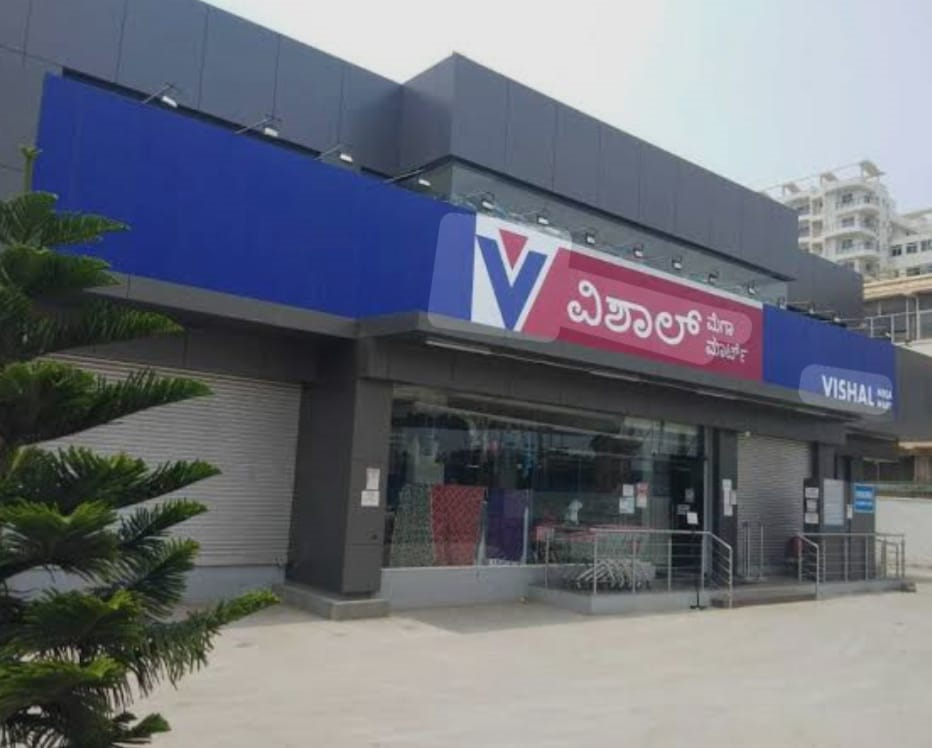
The concept exploded—within a few years, the chain expanded to hundreds of stores across hundreds of cities and went public in 2007 with an IPO that valued the business around ₹2,000 crore. Rise, overexpansion and collapse: Success triggered aggressive expansion: Vishal opened stores rapidly, including in weak locations, which led to poor store economics and under‑utilised resources.

The 2008 global financial crisis hit just when the company was over‑leveraged; debts reportedly ballooned to about ₹750 crore even though turnover crossed around ₹1,100 crore. By 2010–11, the stress was unsustainable, and Agarwal had to sell Vishal Mega Mart—once valued in the thousands of crores—to Shriram Group and TPG Capital for roughly ₹70 crore.
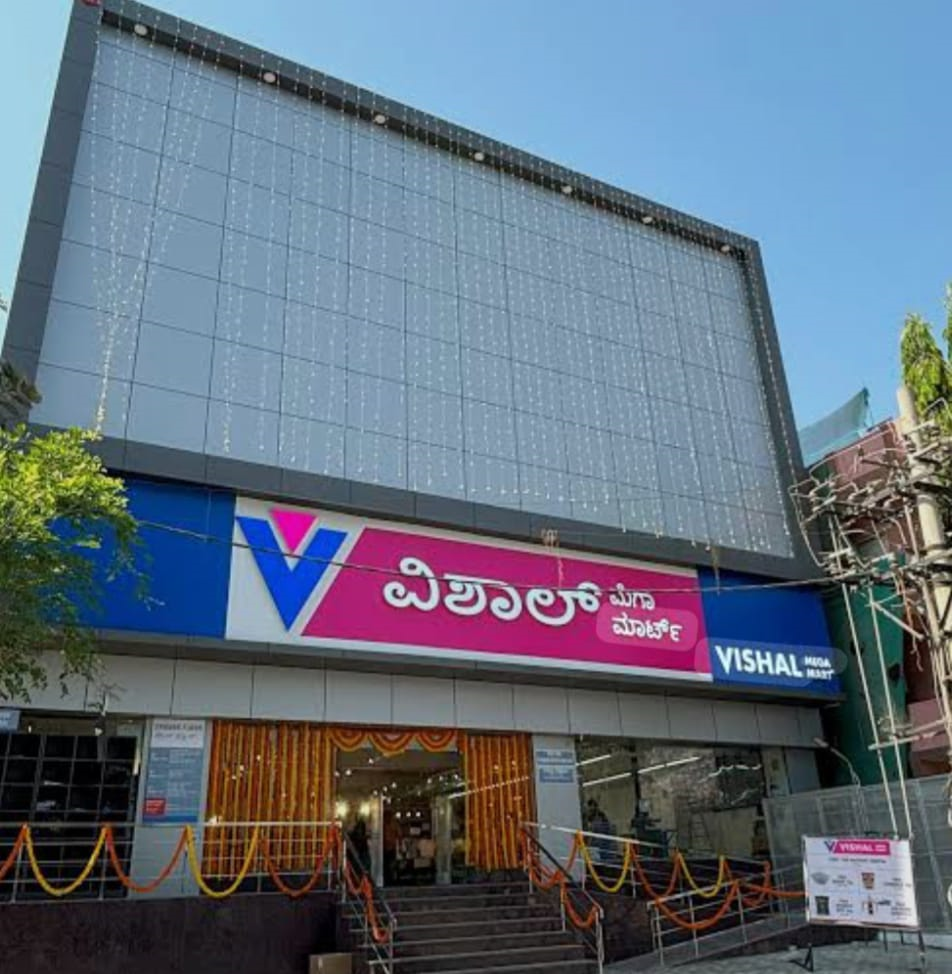
Turnaround of Vishal and rise of V2 Retail: Under new owners, Vishal Mega Mart’s comeback rested on fixing basics: choosing better locations, improving supply chain efficiency, and focusing sharply on India’s value‑conscious middle class. The revived chain adopted asset‑light expansion and private labels to improve margins, gradually becoming a large, profitable value retailer with hundreds of stores and tens of thousands of crores in annual business.
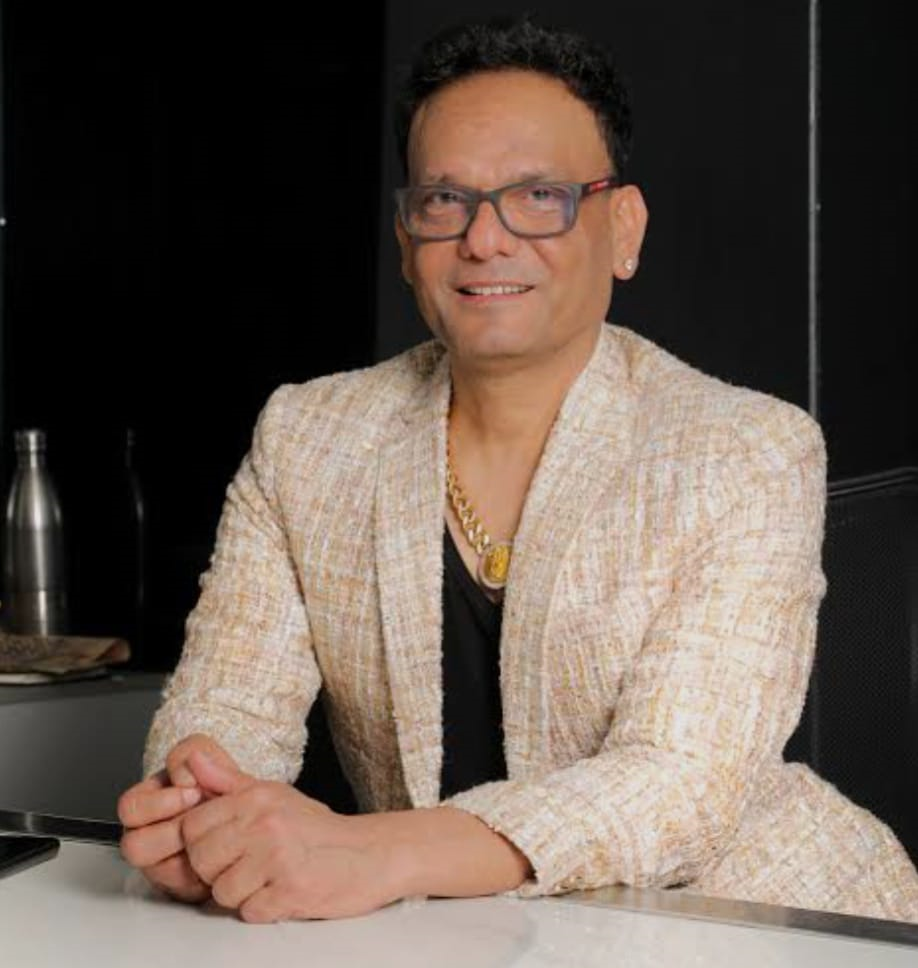
Meanwhile, Agarwal used the remaining capital to start V2 Retail, again targeting affordable apparel and lifestyle products in Tier‑2/Tier‑3 cities, eventually building a group valued in the several‑thousand‑crore range. Key business lessons: Deep understanding of middle‑class price psychology (₹99, low ticket sizes, “sab kuch ek hi jagah”) can create massive scale in Indian retail if backed by efficient operations. Rapid expansion without unit‑level profitability, location discipline, and capital structure planning can destroy even a fast‑growing brand, especially when macro shocks like 2008 occur.
Agarwal’s journey—from failed photocopy shop to building Vishal, losing it, and then creating V2 Retail—shows how resilience and willingness to start over can rebuild an entire empire after bankruptcy. If you’d like, I can break this into a structured case study (timeline, business model, unit economics, and strategic comparison vs D‑Mart and Reliance Retail) tailored to your analyst lens.

For Vishal Mega Mart specifically, the latest public numbers indicate there are around 770–780 stores across India as of late FY26, spread over more than 500 cities. Different sources quote slightly different figures (717 stores as of June 2025, about 771 as of December 2025, and “820+ stores” in more recent corporate communication), but they all point to a footprint in the high‑700s nationally, with strong presence in states like Uttar Pradesh and Karnataka.
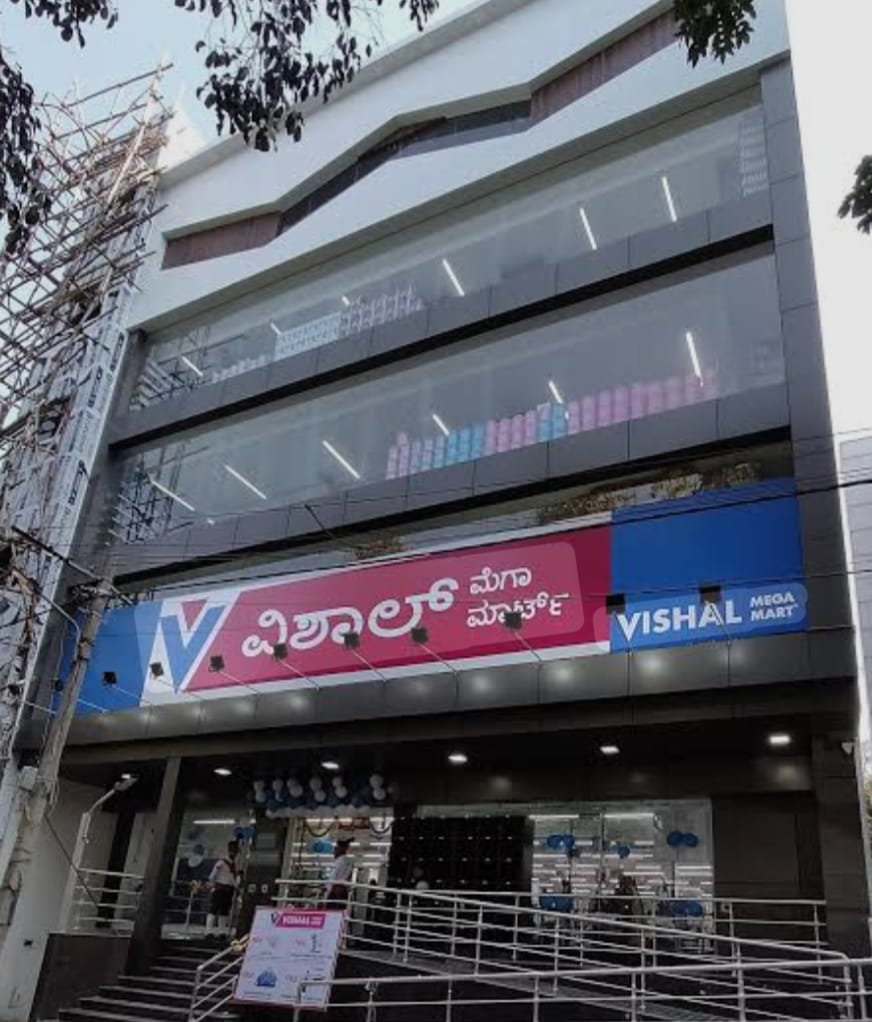
Vishal Mega Mart today is a ₹12,000–13,000 crore annual turnover business with a listed market capitalisation (net worth in equity‑market terms) of around ₹55,000 crore, and a consistently profitable, debt‑light balance sheet. Turnover / Revenue: Recent financial data shows annual revenue (sales) of about ₹12,906 crore, with strong double‑digit growth versus the previous year.
Another source tracking trailing‑twelve‑month revenue for FY25‑FY26 reports around ₹1.32 billion USD, which converts to roughly ₹11,000–11,500 crore, broadly in line with the ₹12,000+ crore sales figure. Quarterly numbers for the year ended March 2025 indicate revenue (TTM) of about ₹1,12,60 crore (₹112.6 billion), reflecting roughly 20% year‑on‑year growth.
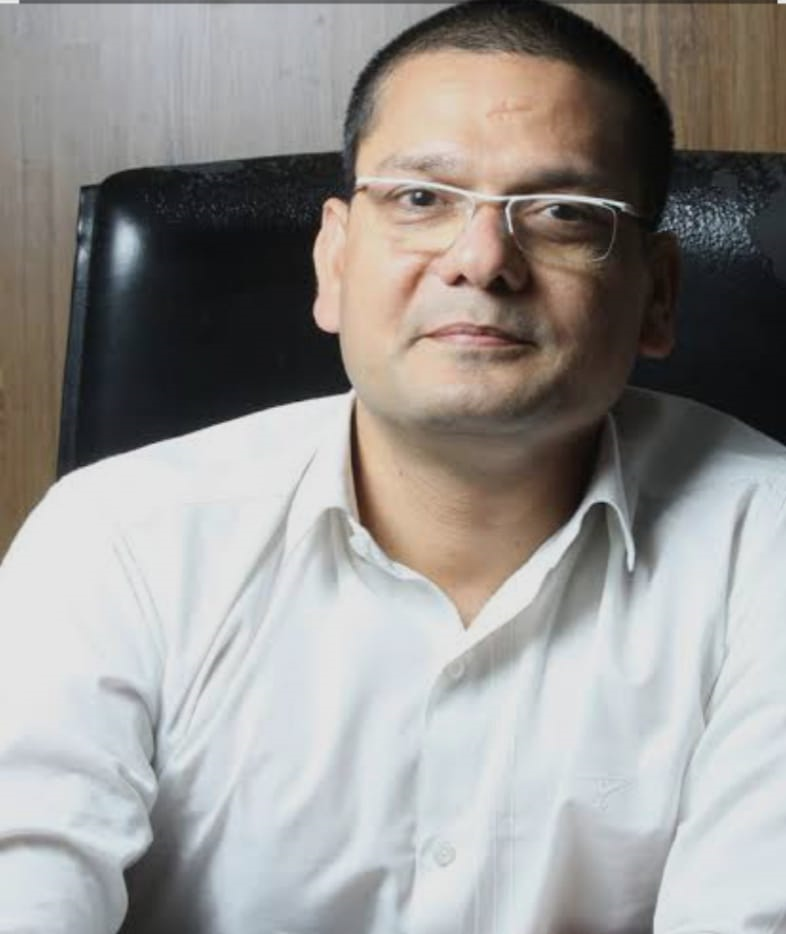
Net worth and profitability:
On the stock‑market side, Vishal Mega Mart’s market cap is quoted at approximately ₹54,000–55,000 crore as of mid‑2026, which is the most practical “net worth” proxy from an equity‑valuation lens. The company posts profits of around ₹839 crore in the latest reported year, with repeated profitability and no significant long‑term debt on the books, indicating a relatively strong net‑worth position and healthy equity base.
Valuation multiples show the stock trading at roughly 7–7.5 times book value, which implies that the balance‑sheet net worth (shareholders’ funds) is much lower than the market value, but the franchise commands a premium due to growth and return metrics. If you want, I can pull together a compact table with revenue, EBITDA, net profit, assets, and equity over the last 3–4 years to give you a clean view of how turnover and net worth have trended post‑turnaround.
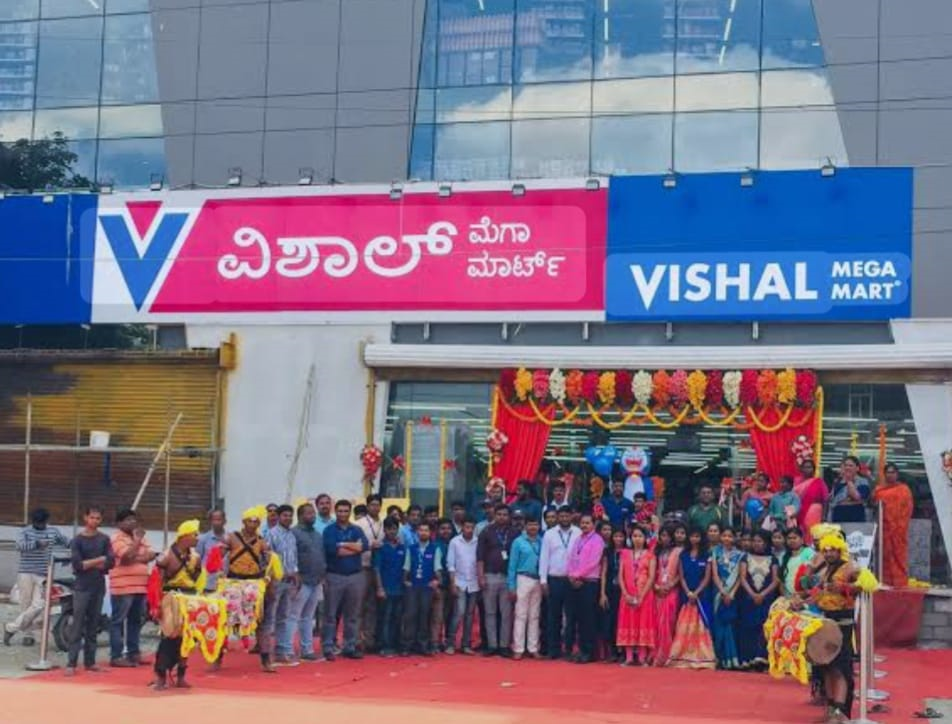
Vishal Mega Mart’s story inspires people because it shows how someone with almost no resources, a physical disability, and multiple failures can still build, lose, and then rebuild a multi‑thousand‑crore retail business by focusing on ordinary Indian families and disciplined execution. Personal resilience and mindset: Founder Ram Chandra Agarwal grew up poor, was affected by polio, and started with tiny ventures like a photocopy shop earning a few hundred rupees a month, yet refused to accept a “small life” and kept experimenting.
He built Vishal Retail/Vishal Mega Mart from scratch, saw it scale rapidly, then went through near‑bankruptcy and had to exit the company he created—but instead of quitting, he launched V2 Retail and again built a large value‑retail chain. For entrepreneurs, this arc—rise, fall, comeback—turns his story into a practical example that failure, debt, and loss of control are not the end of the journey, but part of it. Serving the “common shopper”, Vishal Mega Mart’s core idea was simple and powerful: good‑quality, stylish products at prices that middle‑ and lower‑middle‑income families could actually afford, especially in Tier‑2 and Tier‑3 cities.
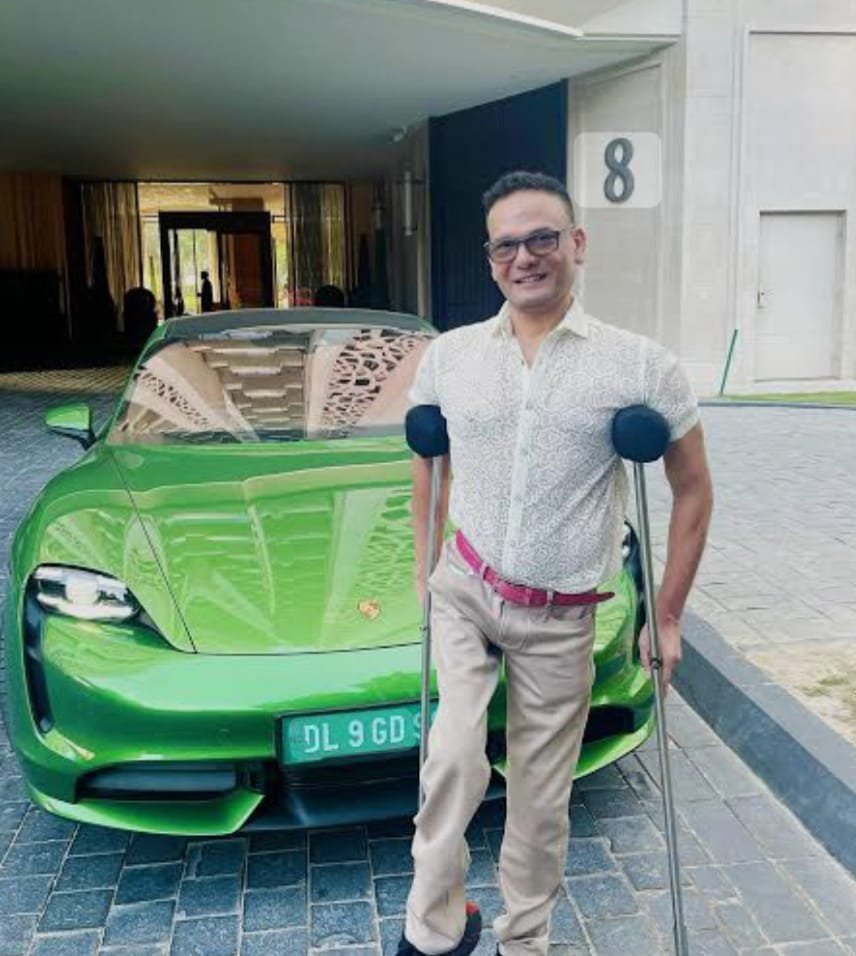
By focusing on “sabse sasta, sabse achha” pricing, psychological price points like ₹99, and a one‑stop store for apparel, groceries, and home essentials, the brand made modern retail feel accessible to people who were otherwise stuck with unorganised markets. This people‑first, affordability‑driven model inspires many operators and analysts because it proves you can build a large, profitable business by deeply understanding and respecting the everyday Indian consumer, not just chasing the premium segment.
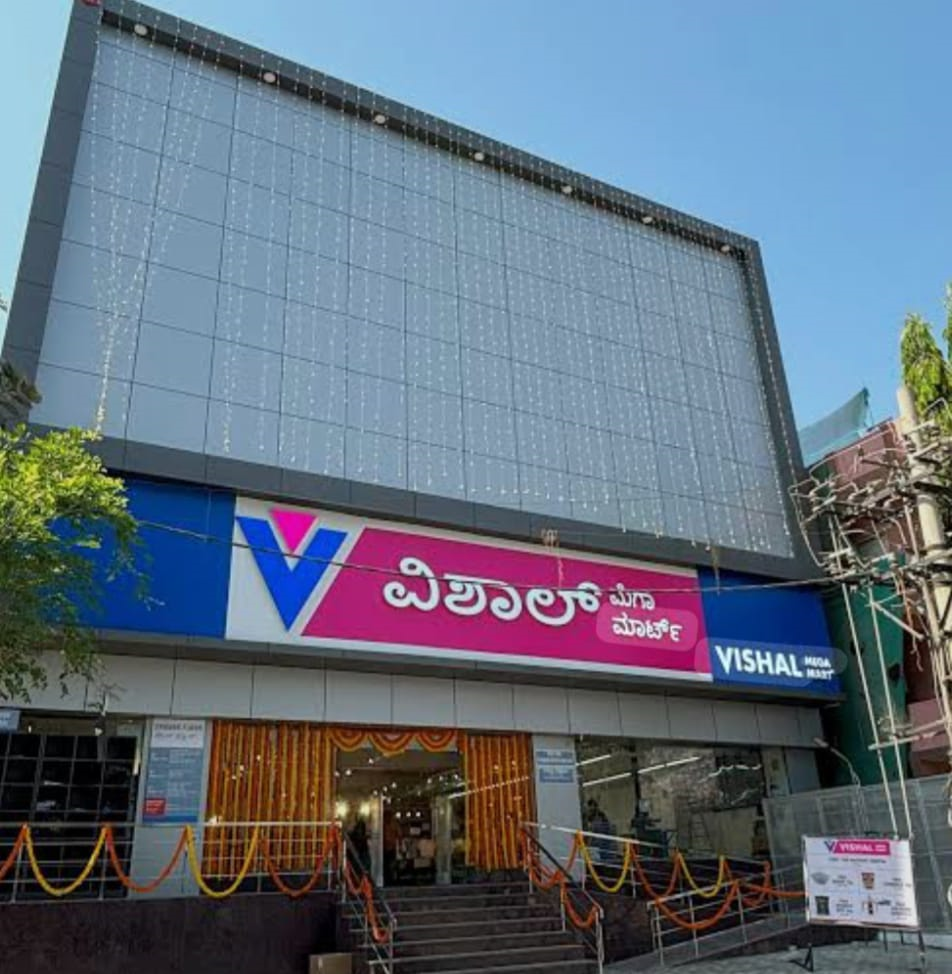
Smart frugality and business discipline: Ram Chandra often talks about a “save more, spend less” ethos—running the business frugally, keeping operating costs lean, and using private labels and direct sourcing to offer low prices without killing margins. Vishal’s model—small margins, large volumes, efficient supply chain, private labels, and mid‑sized formats—shows that disciplined operations in overlooked geographies can be more powerful than glamorous formats in metros.

For business students and founders, this is inspiring because it turns frugality into a strength: you don’t need massive capital or fancy stores; you need tight unit economics and an obsession with value delivery. Lessons for entrepreneurs and professionals: His journey reinforces a few key lessons: start small but think in systems, learn from overexpansion mistakes, respect leverage and debt, and never let ego stop you from starting over under a new brand.

It also shows the power of focusing on Tier‑2/Tier‑3 India early, building clusters there, and designing products and prices for those customers rather than copying metro‑centric models. For someone like you who analyses retail and business strategy, Vishal Mega Mart is inspiring dually: it’s both a human story of grit and a case study in how disciplined value retail in India’s heartland can create a multi‑crore empire from almost nothing.
July 29, 2026
Icons of Indian Business: Icons of Indian Business is a monthly business magazine targeted at Indian business owners, traders and entrepreneurial enthusiasts. It provides online media solutions for Entrepreneurs. IIB has been the definite guide to the diverse challenges of entrepreneurship. Each edition consists of entrepreneurs ... with the all information they require and demand to grow their business. Iconsindianbusiness.com offers a daily source of information, strategic insights and how-to guidance on virtually every area of business management, from leadership to marketing, technology and money matters. IIB connects with millions of business owners who drives forward with the ideas and innovations.Make your brand the preferred choice with these affluent business decision-makers through a variety of customized programs integrated across digital,print,event and community platforms. IIB team works from Bangalore,Karnataka, but has a presence throughout India through its correspondents. IIB published 12 times a year, available in print and digital editions.
© 2024 Iconsofindianbusiness.com. All Right Reserved.